 Walt
Walt
In the Philippines, American football doesn’t arrive the way it does in the U.S. – as a weekend tradition you build your day around. It arrives as a time-zone ambush. A kickoff in the afternoon over there becomes a Monday-morning jolt over here. And that’s exactly why the sport’s niche fanbase keeps growing in 2026: the schedule forces commitment, and commitment turns into community.
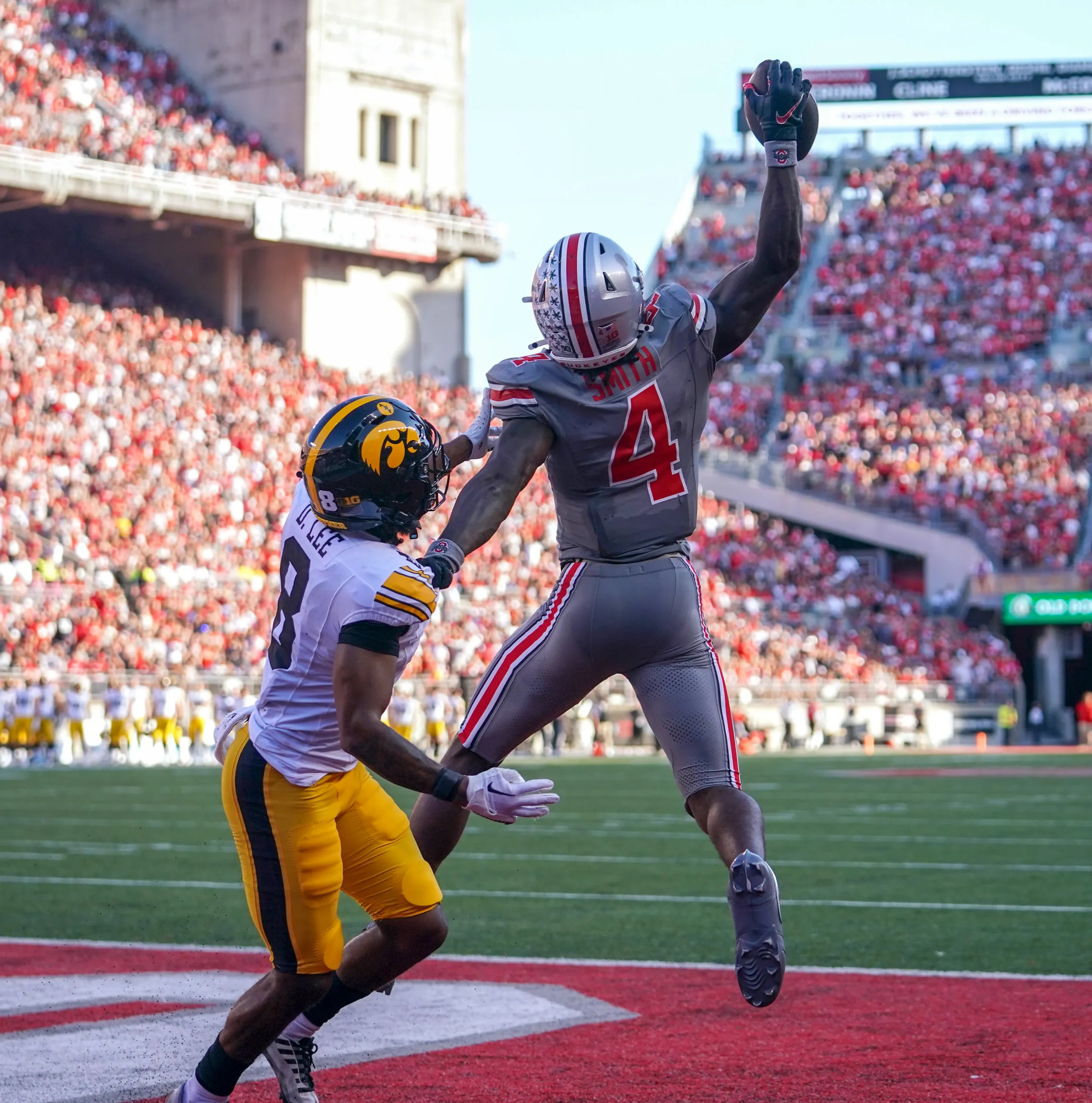
This is the era of second screens and stubborn routines. Highlights in a group chat before sunrise. A replay on lunch break. A “did you see that fourth-and-2?” argument that lasts longer than the drive itself. With the NFL’s weekly rhythm and college football’s chaos, fans end up watching two versions of the same religion – one professional and polished, one wild and emotional – while odds and storylines move in real time.
The Super Bowl isn’t a game here – it’s an alarm clock
The NFL’s biggest day lands like a festival that starts before breakfast. Super Bowl LX sits on the calendar as a global event, but in the Philippines, it feels personal because you have to earn it: you wake up for it. That early-hour viewing changes everything about the way fans talk about the sport. You don’t scroll casually; you plan.
Even regular-season Sundays follow the same pattern. The “late window” in the U.S. becomes a Monday morning conversation in Manila, Cebu, or Davao, where replays and condensed games are often the real prime time. The result is a fandom that’s less stadium-driven and more clip-driven – short bursts of brilliance, replayed until they turn into mythology.
College football’s new postseason makes Saturdays louder
College football in 2026 is built for drama even before the ball is snapped. Rivalries still run hot, but the modern playoff structure has made the late season feel like a rolling audition. Every close win changes perception; every ugly win changes rankings; every upset becomes a headline that lives for a week.
The 12-team College Football Playoff format has also changed how fans follow the sport from abroad. First-round games can feel like mini-bowls, and the later stages keep the traditional bowl-pageantry vibe while raising the stakes. For viewers in the Philippines, it’s perfect: you can dip into big matchups without needing to follow every conference detail, then lock in when the bracket gives you clear “win-or-go-home” edges.
Why the lines move before you even hit play
NFL and college football lines don’t shift because someone had a feeling. They move because information hits the market – sometimes slowly (a practice report), sometimes like a grenade (a quarterback ruled out). In 2026, the sharpest edge for regular fans isn’t secret knowledge; it’s timing and context.
Key drivers that regularly reshape spreads and totals:
- Quarterback availability and limitations (not just “out,” but mobility, arm strength, play-calling adjustments)
- Offensive line health (a quiet injury that becomes loud after two sacks)
- Weather and wind (totals can drift when kicking and deep shots get ugly)
- Travel and rest (short weeks, long flights, and recovery gaps)
- Matchup geometry (a run-heavy team meeting a front that can’t hold the edge)
Public opinion matters too – especially in marquee games – because heavy recreational action can nudge a number even when the core projection doesn’t change much. That’s why the same matchup can “feel” different by kickoff than it did on opening lines.
Where football meets betting and casino play on a single phone
For many adult fans, the modern routine blends viewing, tracking, and light wagering into one loop. You watch a drive, check an injury update, then see whether the market reacted the way you expected. During a heavy NFL slate, people often compare prices and features across online betting sites while keeping an eye on spreads, totals, and live odds that change possession by possession. The useful habit is simple: treat the odds screen like a live scoreboard that reflects new information, not a promise of what will happen.
The cleanest way to read football markets is to keep it basic and consistent: moneyline, spread, total, then props only when you understand the role. A focused sports betting page typically lays those markets out in a way that makes movement obvious – did the spread jump a point after a key injury, did the total sag as weather reports firmed up, did a live line flip after a turnover? When you track those shifts, you start noticing patterns in coaching decisions too, because aggression on fourth down and tempo choices show up in totals and live prices.
After the final whistle – or after you’ve watched enough red-zone clips to feel full – some fans switch gears into quick entertainment that doesn’t require a three-hour commitment. It’s common for platforms to place casino games beside the sportsbook, and an online casino Philippines section can turn into a short, controlled session built around slots and fast rounds rather than long-form strategy. The appeal is the same as football highlights: quick hits, bright moments, and the feeling of staying in the game-day atmosphere even when the game is done.
Angles that actually matter in 2026: what seasoned fans track
If you want a smarter read on NFL or college football without pretending you can predict the future, track the inputs that change decisions on the field.
A practical checklist:
- Injury reports with roles attached: “WR1 limited” matters more if the offense is timing-based.
- Coaching tendencies on fourth down: aggressive coaches create extra drives and totals volatility.
- Pace and play volume: tempo is a totals lever that doesn’t need a star injury to matter.
- Turnover profile: some teams live on takeaways; some offenses are built to avoid them.
- College matchup gaps: talent disparities can turn a close number into a blowout fast, especially when depth shows late.
NFL vs college football: a quick market cheat sheet
|
What you’re betting |
NFL tends to reward |
College tends to reward |
|
Spread |
Injury context, trench matchups, coaching style |
Talent gaps, tempo, matchup extremes |
|
Totals |
Weather, pace, red-zone efficiency |
Pace, explosive-play rates, depth |
|
Live betting |
Game management, clock strategy, turnovers |
Momentum swings, big-play variance |
|
Props |
Defined roles and usage |
Scheme-driven usage, volatility by opponent |
Takeaway
In the Philippines, NFL and college football fandom in 2026 is built on intention: you choose to wake up, choose to rewatch, choose to argue about a safety rotation you barely saw live. If you want a cleaner way to follow it, pick one habit – tracking line movement, watching pace, reading injury news like it’s part of the playbook – and stick to it for a month. The game starts to slow down in your head. And when it does, those early kickoffs stop feeling like punishment and start feeling like a secret.
 Charlie Campbell