
 Walt
Walt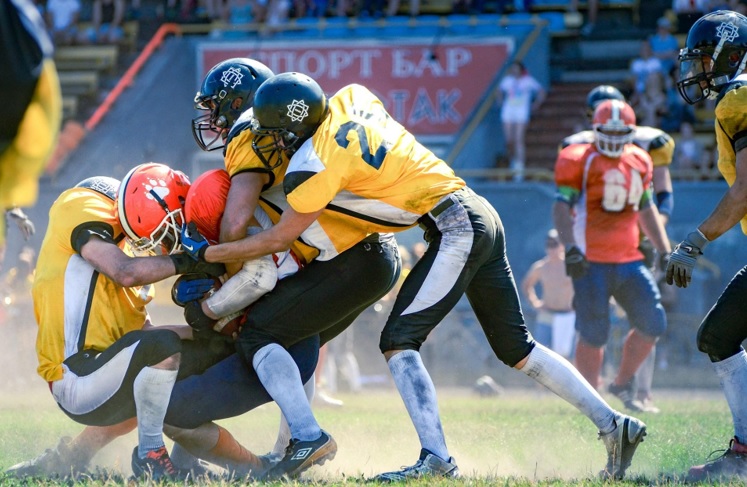
Football has always been one of the most physically demanding sports in the world. Speed, explosive contact, repetitive collisions, and year-round conditioning place enormous pressure on the body, especially on joints responsible for stability and upper-body power. While knee injuries often dominate headlines, shoulder injuries have quietly become one of the most persistent challenges affecting both professional and amateur football players.
Quarterbacks rely on shoulder rotation and throwing mechanics every play. Wide receivers absorb impact while extending for catches. Defensive players repeatedly engage in forceful contact using upper-body leverage. Linemen place continuous strain on the shoulders during blocking and pass-rush engagements. Over the course of a season, even relatively minor shoulder instability can gradually affect strength, mobility, reaction time, and overall performance.
As the sport continues evolving toward faster and more physically demanding gameplay, teams and athletes are placing greater attention on recovery strategies, mobility preservation, and long-term shoulder health.
Shoulder Injuries Are Becoming More Common Across Football
Modern football places unique biomechanical stress on the shoulder joint. Repetitive collisions, awkward falls, overhead movement, tackling mechanics, and sudden directional force all contribute to a wide range of shoulder-related injuries.
Dislocations, labral tears, rotator cuff strain, AC joint injuries, inflammation, instability, and chronic wear are increasingly common throughout all levels of football participation. What makes shoulder injuries particularly difficult is that many athletes continue playing through discomfort long before seeking treatment.
Unlike certain lower-body injuries that immediately prevent participation, shoulder conditions often develop progressively. Reduced mobility, lingering soreness, instability, weakness, and restricted range of motion may worsen gradually over time while athletes continue competing.
In previous eras, pain tolerance alone was often viewed as part of the culture of football. Today, however, recovery science and sports medicine are reshaping how athletes, trainers, and organizations approach long-term physical durability.
Recovery Has Become Part of Modern Football Performance
One of the biggest changes within football culture involves the growing understanding that recovery is directly connected to performance. NFL franchises now invest heavily in mobility specialists, rehabilitation programs, physical therapy, strength balancing, recovery monitoring, sleep optimization, and injury-prevention strategies designed to reduce long-term wear on players’ bodies.
Shoulder recovery has become especially important because upper-body function affects nearly every aspect of football performance. Even small mobility limitations can influence throwing accuracy, tackling form, strength generation, hand positioning, reaction speed, and overall movement efficiency.
As more athletes pay closer attention to recovery and long-term joint health, many are seeking specialized shoulder care earlier rather than waiting for problems to worsen. Professionals connected to advanced orthopedic treatment, including Dr. Bercik best shoulder surgeon Lebanon, are increasingly helping active individuals restore comfortable movement, improve recovery, and maintain shoulder strength over the long term. This more proactive approach to injury management is becoming increasingly common throughout modern sports.
Football Training Has Changed Dramatically
Training methods within football have evolved significantly over the last decade. Older conditioning models often emphasized maximum physical intensity with less focus on movement efficiency or recovery management. Today, many athletes train with far greater attention to mobility, flexibility, joint stabilization, and functional movement quality.
Strength alone is no longer viewed as sufficient for long-term athletic performance. Athletes increasingly work on rotational stability, muscular balance, posture, recovery pacing, and reducing repetitive stress patterns that contribute to chronic injury.
Shoulder-focused conditioning has become particularly important because instability or restricted movement can create compensation patterns throughout the rest of the body. Poor shoulder mechanics may eventually affect neck tension, spinal posture, arm strength, tackling efficiency, and even lower-body movement patterns. Sports medicine professionals now spend more time helping athletes improve movement quality rather than simply maximizing physical output at all costs.
Career Longevity Has Become a Bigger Priority
Another major shift within modern football involves the growing focus on career longevity. Athletes today are far more aware of the physical toll football places on the body over time. Players increasingly want to extend careers, maintain mobility after retirement, and reduce the risk of chronic pain later in life.
Because of this, recovery decisions are becoming more proactive. Many athletes now seek orthopedic evaluation earlier when discomfort first appears instead of waiting until major structural damage occurs.
This mindset reflects a broader change in how professional sports approach health overall. Injury management is no longer viewed solely as returning players to the field as quickly as possible. Increasingly, the goal involves preserving long-term functionality while minimizing repeated stress and chronic deterioration. Shoulder preservation has become an especially important part of that conversation because shoulder mobility influences so many essential football movements.
The NFL Continues Expanding Sports Science and Injury Prevention Efforts
Research and injury-prevention initiatives supported by the National Football League continue highlighting the growing importance of recovery science, player safety, mobility preservation, and long-term musculoskeletal health.
Professional football organizations increasingly recognize that athlete durability involves more than short-term treatment alone. Recovery planning now focuses heavily on reducing repetitive strain, improving biomechanics, supporting joint stability, and helping athletes maintain physical longevity throughout demanding careers.
This shift has also influenced younger athletes. High school, college, and amateur football programs increasingly integrate mobility work, rehabilitation exercises, flexibility training, and recovery protocols into regular conditioning programs rather than treating them as secondary priorities. The result is a much broader understanding of how long-term shoulder function directly affects athletic sustainability.
Technology Is Also Reshaping Recovery
Advancements in sports medicine technology continue changing how shoulder injuries are evaluated and managed. Motion analysis, strength tracking, mobility testing, rehabilitation monitoring, recovery devices, and imaging tools now allow trainers and specialists to identify dysfunction earlier and monitor recovery progress more accurately.
Athletes also have greater access to individualized rehabilitation programs tailored to position-specific movement demands. A quarterback’s recovery requirements differ dramatically from those of a defensive lineman or linebacker, and modern sports medicine increasingly reflects that level of specialization. This more personalized approach helps athletes return to activity more safely while also supporting long-term joint preservation.
Younger Athletes Are Paying Attention Earlier
The influence of professional sports culture extends well beyond the NFL itself. Younger athletes increasingly follow professional recovery trends involving mobility training, orthopedic awareness, rehabilitation exercises, and injury prevention. Social media, sports performance culture, and year-round athletic development have made recovery conversations far more visible than in previous generations. As a result, high school and college athletes are becoming more educated about shoulder care at earlier stages of development.
Coaches and trainers also recognize that overuse, repetitive strain, and poor recovery habits can contribute to long-term issues when athletes specialize intensely in football from a young age. This growing awareness is helping reshape how players think about physical durability across all levels of competition.
Shoulder Recovery Will Continue Influencing Football
As football continues becoming faster, more explosive, and increasingly year-round, shoulder recovery will likely remain one of the most important areas of sports medicine development.
Athletes today understand that performance depends not only on strength and conditioning, but also on recovery quality, movement efficiency, and preserving long-term mobility.
This evolving mindset is reshaping football culture itself. Increasingly, durability is viewed as a combination of preparation, rehabilitation, prevention, and intelligent recovery rather than simply playing through pain.
As sports medicine continues advancing, shoulder health will remain central to helping football athletes maintain performance, reduce injury risk, and extend both competitive longevity and long-term quality of life.
 Charlie Campbell