 Walt
WaltMock drafts used to feel like contained ecosystems—film study, team needs, and a little educated guessing. Now they sit alongside a surge of real-time signals that shift faster than a prospect’s 40‑time. Odds movement, social chatter, and analytics models all create a hum that draft fans can’t help but notice. The result is a more layered—and sometimes noisier—draft season.
Fans lean on whatever information they can find, especially now that rumor cycles refresh by the hour. A single report about a team visit or a medical evaluation can send message boards into overdrive. Those moments often get interpreted through the same lens used for depth‑chart debates or big-board disagreements. And that blurring of sources is increasingly where betting markets slip into the conversation.
Regional access plays a subtle role in how fans pick up and share these signals. In states without widely available regulated options, like Texas and California, many rely on summaries of betting odds on offshore sites to understand which prospects are rising or falling. Cardplayer Insights into California’s sports betting sites, for example, allow local fans to learn more about where they can bet on their team’s next big star. These snapshots don’t replace tape study or analytics, but they add one more thread to the narrative web that draft-season obsessives are constantly weaving.
Mock Drafts Meet Market Signals
Draft discussions long thrived on the tension between logic and chaos—what teams should do versus what they actually will do. Betting odds now add another layer by quantifying expectations in ways mock drafters can’t ignore. When a quarterback climbs the boards after a strong weekend, it’s noticeable. But when his odds spike at the same time, the storyline accelerates.
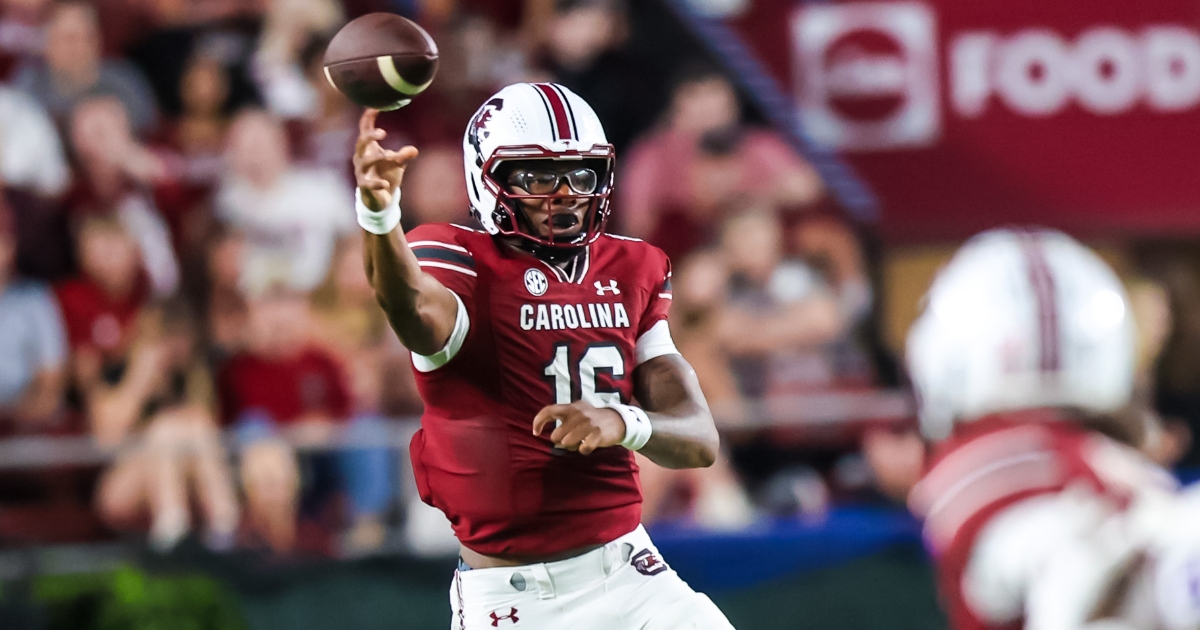
Odds movement around quarterbacks such as Fernando Mendoza or Garrett Nussmeier last year offered a clear example. Their stock swung quickly, and fans saw those swings echoed in early projections. Market shifts became shorthand for “momentum,” even when scouts were still debating traits or ceilings. A dynamic like that transforms betting lines from background noise into narrative fuel.
The market’s sensitivity often amplifies tiny pieces of information. A scheduled top‑30 visit can spark a ripple. A leaked medical detail can send prices scrambling. None of this means markets are more accurate; it simply shows how quickly they absorb news, turning micro-events into conversation drivers that shape how fans interpret later mock drafts.
Data Sources Fans Now Trust
A wider range of tools now sits in front of fans, from analytics dashboards to real-time rumor trackers. Odds boards—whether or not people bet—have joined that mix because they offer an immediate read on sentiment. That immediacy matters during a draft cycle known for its opacity and misinformation.
Some observers point out that these markets come with their own complications. Bookmakers have described draft wagering as costly to maintain, with annual losses reaching five- to six-figure totals according to Yahoo Sports. Fans often cite this as a reminder that oddsmakers aren’t trying to predict the draft—they’re trying to balance risk in a uniquely unpredictable environment. Yet even with those challenges, the odds themselves still function as talking points that shape public perception.
The public’s appetite for information means betting movement rarely stands alone. Fans compare it to analytics models, team histories, and their own mock drafts. As people layer these inputs together, lines can become connective tissue between what fans suspect and what they want to believe about a prospect’s trajectory.
Where Betting Fits The Mix
Betting lines don’t dominate NFL Draft conversations, but they sit comfortably alongside the other breadcrumbs fans follow. Movement around a player can be a signal—sometimes valid, sometimes misleading—that draft watchers fold into their running assessments.
Some of the volatility comes from the way sportsbooks track even minor developments. Reports of late risers or medical evaluations can prompt quick adjustments, and those adjustments often echo through social channels before beat writers have weighed in. Several sportsbooks updated No. 1 pick odds in response to early-season swings last year, a pattern covered by CBS Sports. For fans, that kind of change feels like a nudge to reconsider their assumptions.
There’s also a broader regulatory angle. The NFL’s approach to prediction markets—treating them as gambling—signals how seriously institutions take the idea of draft-related price movements. When the league classifies draft forecasts as risk-based transactions, it acknowledges the influence these markets can have on public narratives.
What This Means For 2026
Draft season in 2026 already shows signs of being shaped by parallel streams of information. Fans still value tape study and team-fit logic, but they’ve become comfortable blending those with more fluid indicators like line movement or rumor spikes. That mixture isn’t going away.
The real takeaway is that markets now serve as narrative accelerators rather than predictors. They highlight shifts in sentiment and give fans one more tool to dissect why a player is trending up or down. And as long as that continues, betting lines will remain part of the draft conversation—not as the guiding force, but as one more voice in a crowded, ever-reactive ecosystem.
 Charlie Campbell