 Walt
Walt
Draft opinions used to form slowly. Scouts watched tape. Analysts wrote reports. Fans waited. Now everything happens at once.
Real-time chats have changed how people think about the draft in the NFL (National Football League) and college football. Opinions are formed in seconds, shared instantly, challenged publicly, and sometimes reversed within minutes. A single message in a group chat, Discord server, or live stream comment can shift how a player is viewed.
This fast environment does not replace scouting. But it strongly influences perception.
What Are Real-Time Chats in Sports?
Real-time chats are digital spaces where people talk instantly while events unfold.
They include:
- Live Twitter/X threads during games
- Discord servers for draft fans
- Telegram and WhatsApp groups
- Live chat on YouTube and Twitch draft shows
- Reddit game threads moving at high speed
While some prefer to join chats with hosts and large audiences, a huge number of online video chats are conducted one-on-one. Draft opinions are also discussed there. If you're looking for the best way to make new connections, CallMeChat is it. By joining a room with random people, you can freely communicate and express yourself without risk. There's no pause button, and no one knows more about each other than they'd like. Just genuine communication.
Speed Creates First Impressions
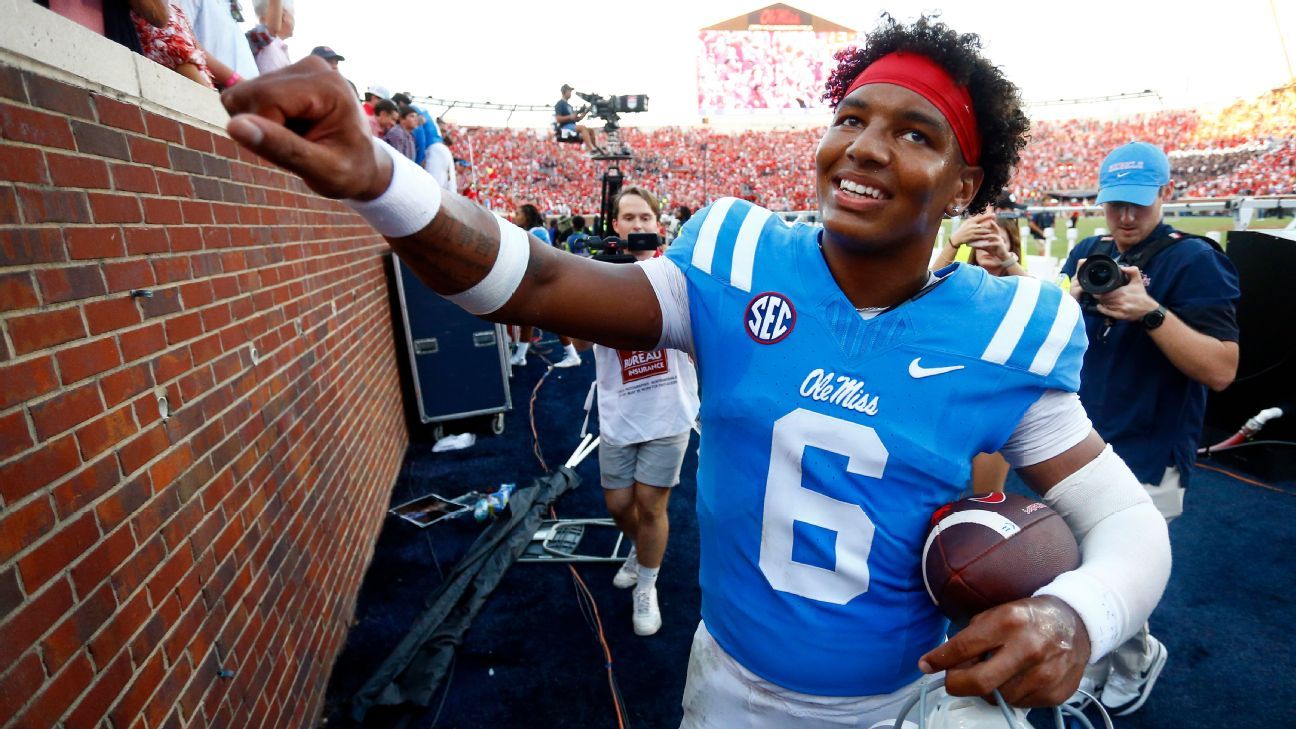
Speed is the main difference. During a college football game, a quarterback throws one bad interception. Within 10 seconds, messages appear:
“Decision-making problem.”
“Not NFL-ready.”
“Stock falling.”
Even if the player recovers later in the game, that first wave sticks.
Psychology supports this. Studies show that first impressions influence later judgment by up to 70%, even when new information appears. In draft talk, that bias grows stronger because messages come from many voices at once.
When 50 people repeat the same idea in a chat, it starts to feel true.
Group Opinion Becomes “Common Sense”
Real-time chats create something powerful: group confidence.
One person doubts a player. Three people agree. Then repeat it in different words. Soon, the idea feels like consensus.
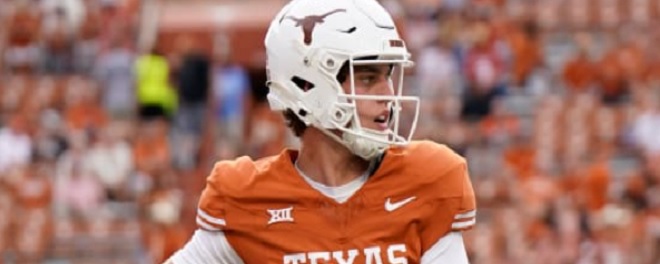
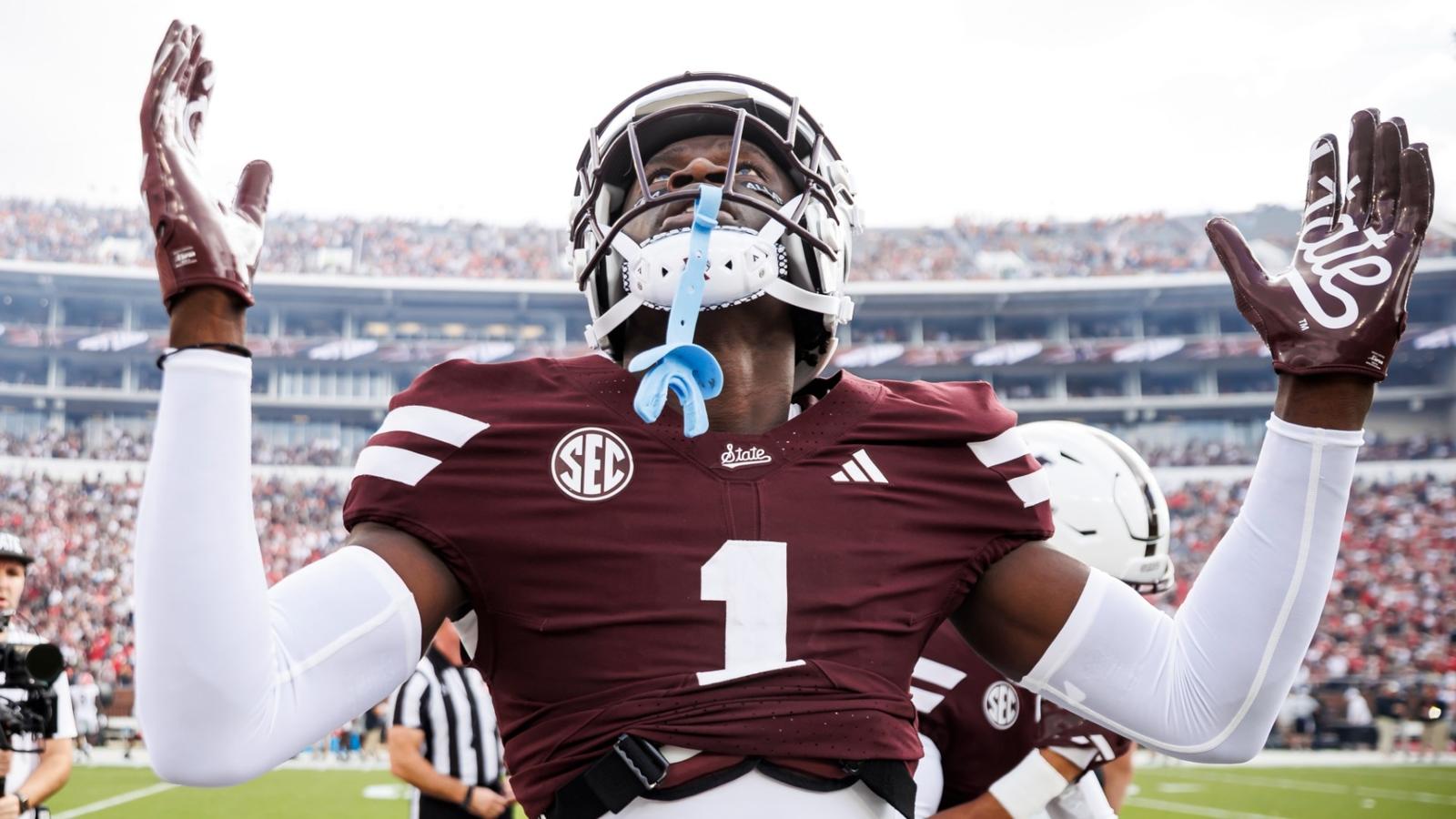
This happens often with borderline prospects in the NFL Draft. A wide receiver from college football might be labeled as “too slow” or “system-dependent.” That label spreads fast. It becomes part of how the player is described everywhere else.
Research on online behavior shows that repeated opinions in live chats are 35–40% more likely to be accepted without verification compared to written articles. Speed replaces evidence.
Emotion Beats Data
Fast chats favor feeling over figures. Spotting a long touchdown or a spectacular sack creates an instant emotional jolt, one that shoots through the stream of messages faster than anyone could pull up a season‑long chart. Advanced metrics take time: efficiency numbers, snap-adjusted stats, context — they require looking, comparing, thinking.
Chats rarely allow that. If you pay attention, you’ll notice the loudest reaction is usually the simplest story. hero or mistake, boom or bust. Over time those short, emotional narratives drown out careful analysis, and a player’s reputation is reshaped by moments, not measures.
Influence on Media and Mock Drafts
These chats do not stay isolated. Journalists read them. Content creators watch them.
Mock draft writers feel the pressure.
Once a story exists, it spreads further. A chat creates the idea. A tweet spreads it. An article legitimizes it.
The Echo Effect in NFL and College Football Talk
Real-time chats often mix NFL fans and college football fans. That mix matters. When a star falters, the campus crowd leaps to defend. In the stands, NFL fans critique them with the same rigor as coaches.
When rival groups bump into each other on messenger, tempers flare. Strong language appears. Once formed, ideas tend to stiffen.
This creates echo effects. People tend to remain where the dialogue matches their convictions. If the crowd loves a player, criticism simply fades away. When a team dislikes a candidate, they sweep the compliments away as hype.
After a while, you’ll notice draft opinions drifting toward two extremes rather than holding a middle ground.
When Real-Time Chats Get It Right
It isn’t completely bleak. Chats sometimes catch things early.
In the newest drafts, people watching the stream noticed faulty equipment, risk of harm, and effort mismatches well before the experts replied. Imagine a stadium packed with fans staring at a play; their shared attention can turn an ordinary move into a game‑changing moment.
In one NFL draft cycle, fan-led chat discussions correctly predicted 7 of the top 10 positional risers months before official draft boards adjusted. Fast pacing reveals the hidden order; the background chatter fades.
Repeating solid facts makes the difference, whereas relying on feeling does not.
Learning to Read Chats Critically
For fans, the solution is not to leave real-time chats. It is to use them wisely.
Helpful habits include:
- Waiting before accepting early opinions
- Separating play-by-play emotion from season-long performance
- Checking stats after the chat cools down
- Following multiple chat spaces, not just one
Draft opinions should be built, not borrowed.
A Draft Room That Never Sleeps
Real-time chats have turned the draft into a living conversation. Always moving. Always loud.
They shape how players from college football are viewed before they ever reach the NFL stage. They influence fans, media, and sometimes even decision-makers.
The modern draft is no longer decided in quiet rooms alone. It is debated in public, typed line by line, in real time. And once an opinion goes viral in a chat, it is very hard to pull it back.
 Charlie Campbell