 Walt
Walt
The 2026 NFL Draft has reshaped expectations across the league, placing several franchises at pivotal crossroads. For contenders and rebuilders alike, the immediate aftermath of draft weekend often reveals as many questions as answers.
Teams must now decide how quickly to integrate rookies, how to balance financial pressures, and how to position themselves for both short-term competitiveness and long-term stability. These decisions are rarely straightforward, especially in a league where performance margins are razor-thin.
1. Cleveland Browns: Trusting Rookies to Deliver Immediately
The Cleveland Browns leaned heavily into offense during the 2026 Draft, prioritizing immediate upgrades to support their evolving identity. By investing in multiple offensive prospects, the front office signaled a willingness to accelerate development timelines rather than take a conservative approach.
A key figure in this strategy is Spencer Fano, projected to anchor the left tackle position. His transition from college standout to NFL protector will be critical, particularly against elite pass rushers. Cleveland’s coaching staff must determine whether to fully trust Fano from Week 1 or provide rotational support early in the season.
This broader decision reflects a familiar dilemma: immediate impact versus gradual integration. Teams with rookie-heavy lineups often experience volatility, particularly in the opening weeks. That uncertainty often carries over into how performance projections are formed.
This is evident when analyzing resources like FanDuel NFL Odds, where teams relying on rookies often see fluctuating early-season lines due to limited professional experience. For Cleveland, those fluctuations mirror real on-field questions.
Ultimately, the Browns’ willingness to rely on young talent could define their 2026/27 campaign. If the rookies adapt quickly, Cleveland may gain a competitive edge; if not, early inconsistency could shape the narrative of their season.
2. Detroit Lions: Balancing Finances and Rookie Contributions
The Detroit Lions approached the 2026 Draft with a clear emphasis on reinforcing their receiving corps while adding offensive line depth, including Blake Miller. These selections highlight a strategy designed to maintain offensive efficiency while navigating tighter financial constraints.
Salary cap pressures have forced Detroit into a more calculated roster-building phase. The team must now rely on cost-controlled rookie contracts to sustain production, particularly in key protection roles. This places immediate expectations on newly drafted linemen to perform in high-leverage situations.
Pass-blocking efficiency becomes a central focus, especially with a quarterback who thrives on timing and pocket stability. If rookies like Miller can meet these expectations, Detroit’s offense should maintain its rhythm. However, inconsistencies up front could disrupt an otherwise well-structured system.
Teams in similar financial positions often see their projections influenced by uncertainty along the offensive line. When protection is unproven, overall expectations tend to shift, particularly against strong defensive opponents.
For the Lions, the challenge lies in sustaining contender status while transitioning to a more financially disciplined roster model. Success will depend on whether their rookies can deliver consistent contributions without compromising the team’s established offensive identity.
3. Las Vegas Raiders: Mendoza's Role Defines Their Direction
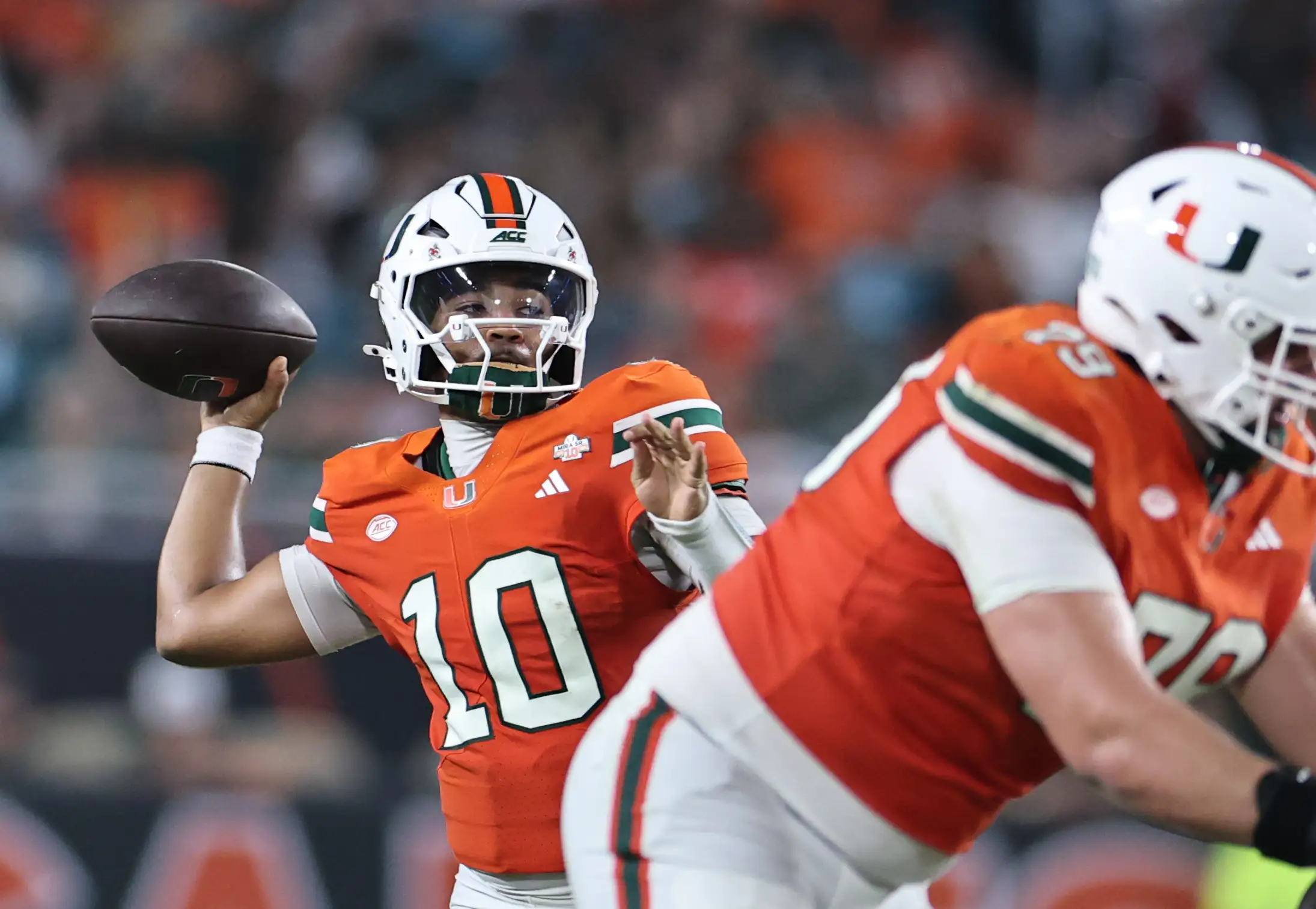
The Las Vegas Raiders made a defining move by selecting quarterback Fernando Mendoza, immediately placing the spotlight on his role within the organization. His arrival introduces a critical decision: whether to start him early or allow for a more gradual development.
This debate extends beyond Mendoza alone. The Raiders also added defensive rookies who are expected to contribute, meaning the team must balance growth across multiple units simultaneously. Coordinating this integration will shape the overall cohesion of the roster.
NFL statistics show that quarterback uncertainty remains one of the most influential variables in projecting team performance. A rookie starter can introduce unpredictability, while a developmental approach may limit short-term upside but offer greater stability.
Historically, teams with unclear quarterback hierarchies tend to experience wider shifts in expectations. This reflects the importance of the position and the difficulty in forecasting performance without established benchmarks.
For Las Vegas, Mendoza’s designation, starter or understudy, will define the trajectory of their rebuild. A confident transition could accelerate progress, while a cautious approach may delay immediate competitiveness but strengthen long-term development.
4. Pittsburgh Steelers: Locking in Herbig Beyond the Watt Era
The Pittsburgh Steelers are positioning Nick Herbig as a key piece of their future pass rush, signaling a forward-looking approach to their defensive identity. As the team contemplates an eventual transition beyond T.J. Watt, keeping Herbig in the fold looms as a potentially foundational decision.
Herbig’s development into a primary edge rusher represents both a continuity plan and a shift in leadership within the defense. The Steelers must now determine how quickly to expand his role while maintaining consistency in their pass-rush production.
Contract negotiations also play a significant role. Timing Herbig’s extension ensures stability while avoiding disruptions during a critical transition period. This requires careful alignment between performance expectations and long-term planning.
Pass-rush continuity is a key factor in evaluating defensive effectiveness. Teams that maintain consistent pressure tend to sustain higher performance levels, particularly in high-stakes matchups.
For Pittsburgh, locking in Herbig now provides a pathway to preserve their defensive identity. As the Watt era gradually evolves, ensuring a seamless transition at edge rusher will be essential to maintaining the Steelers’ competitive standard.
5. Los Angeles Rams: Win-Now Roster Tested Without Rookie Depth
The Los Angeles Rams entered the 2026 Draft with high expectations, focusing on top-end talent rather than depth. Their selections reflect a win-now mentality, but also raise questions about the readiness timelines of incoming players.
Balancing immediate contention with developmental prospects creates inherent tension. While the Rams possess a strong core, the lack of proven depth behind the starters could become a concern as the season progresses.
Roster durability is often tested through injuries and performance fluctuations. Without reliable backups, teams may struggle to maintain consistency, particularly in key positions where depth is critical.
Teams built around established veterans often face scrutiny regarding their ability to sustain performance without reinforcement from emerging talent. This dynamic becomes more pronounced as the season progresses.
For the Rams, the central question is whether their core group can compensate for limited rookie depth. If their top players remain healthy and productive, the strategy may prove effective. However, any disruption could expose vulnerabilities that challenge their contention hopes.
What Comes Next for These Franchises
The aftermath of the 2026 NFL Draft underscores the complexity of roster construction in today’s league. Each of these five teams faces a set of decisions that will shape not only the upcoming season but also their long-term direction.
From Cleveland’s reliance on rookie contributors to Detroit’s financial balancing act, the challenges vary but share a common theme: uncertainty. Las Vegas must define its future at quarterback, Pittsburgh is planning for a defensive transition, and Los Angeles is testing the limits of a top-heavy roster.
The impact of these decisions will unfold over the course of the season, influenced by performance, health, and adaptability. While outcomes remain uncertain, the strategic choices made now will ultimately determine how these teams are viewed moving forward.
 Charlie Campbell