 Walt
Walt
College football is more than just a sport in the United States. it is a deeply rooted cultural institution that brings together students, alumni, families, and entire communities. From packed stadiums on fall Saturdays to heated rivalries that span generations, college football represents tradition, competition, and school pride on a massive scale. For many students, their college years are closely intertwined with the rhythms of the football season, shaping social life and shared experiences on campus.
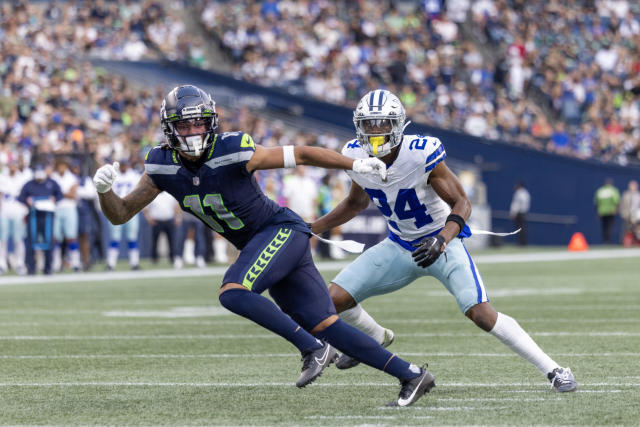
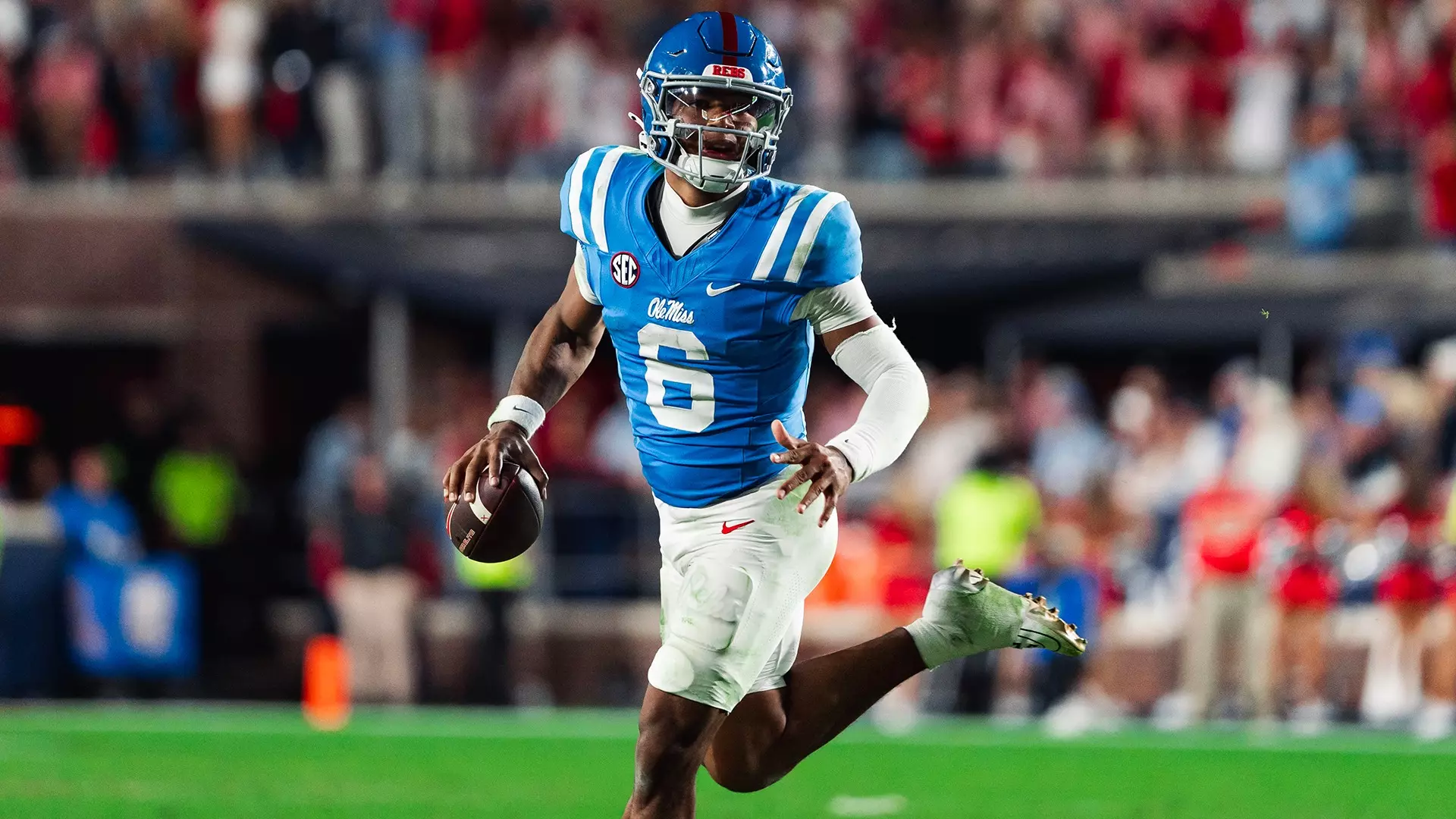
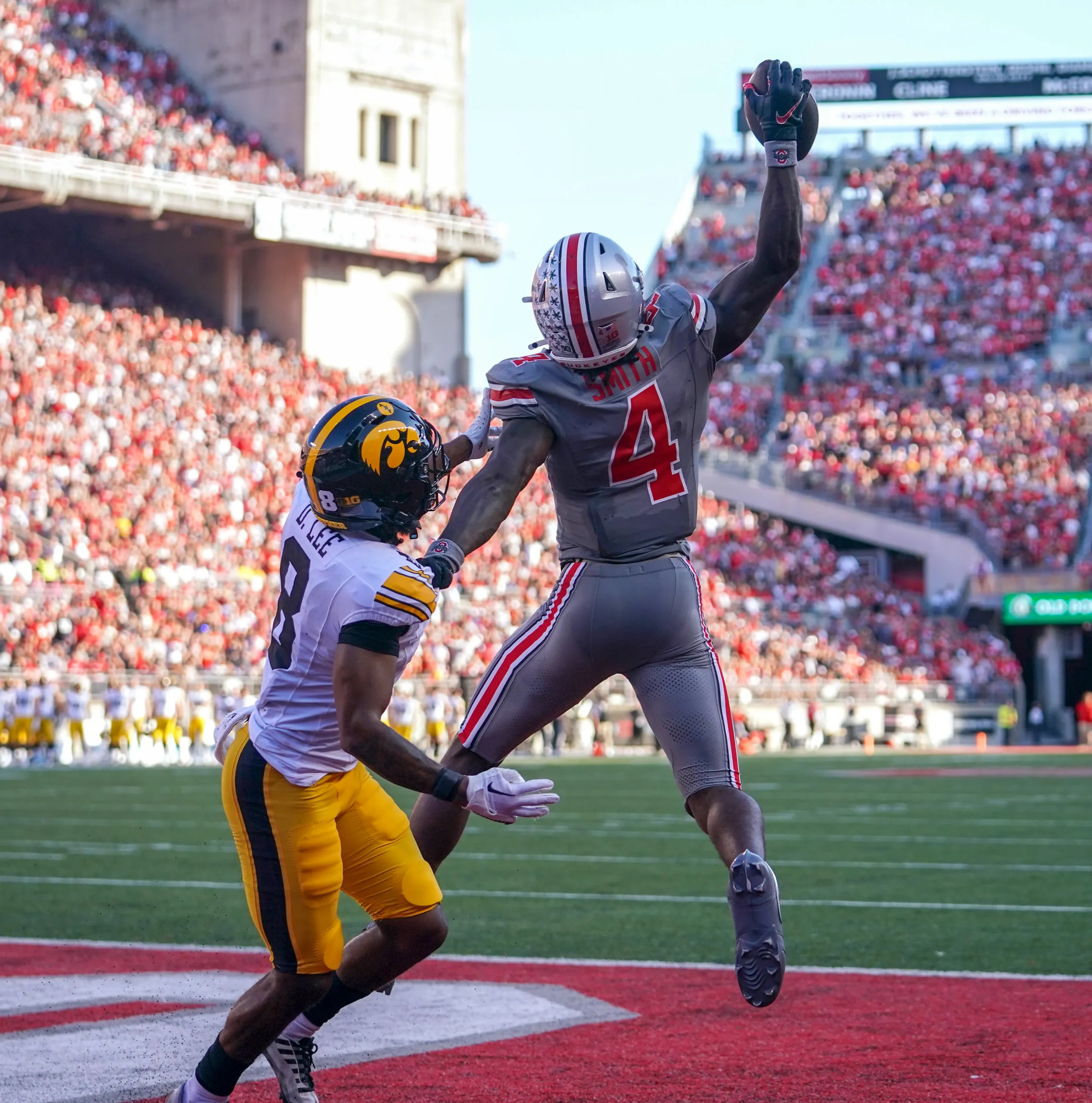
At its core, college football is organized under the National Collegiate Athletic Association (NCAA), with the Football Bowl Subdivision (FBS) being the most prominent level. Conferences such as the SEC, Big Ten, ACC, and Big 12 command national attention, producing powerhouse programs and future professional athletes. Iconic teams like Alabama, Michigan, Ohio State, and Notre Dame attract millions of viewers each week, making college football one of the most-watched sports in the country.
One of the defining features of college football is its atmosphere. Unlike professional sports, the student section plays a central role, creating an energetic and sometimes intimidating environment for visiting teams. Marching bands, cheer squads, mascots, and long-standing traditions, such as pregame rituals and fight songs, add to the spectacle. For many students, attending games is a rite of passage, offering a sense of belonging and a break from academic pressures.
College football also serves as a major pipeline to the National Football League (NFL). Talented athletes use their college careers to develop skills, gain exposure, and demonstrate their readiness for the professional level. High-profile bowl games and the College Football Playoff provide a national stage where players can showcase their abilities. However, beyond the pursuit of professional dreams, the sport emphasizes teamwork, discipline, and time management, skills that benefit players long after their playing days are over.
From an economic perspective, college football has a significant impact on universities and local communities. Home games can bring in millions of dollars through ticket sales, merchandise, sponsorships, and tourism. Hotels, restaurants, and small businesses near campuses often rely on game-day traffic, especially in college towns where football weekends define the local economy. Media deals and broadcasting rights have further expanded the reach and financial influence of the sport.
While football dominates the fall semester, college life extends well beyond the stadium. Students balance coursework, part-time jobs, and social activities, often looking for ways to relax and unwind during their limited free time. Leisure activities vary widely depending on personal interests, but many students enjoy streaming entertainment, gaming, social media, and casual online platforms. In recent years, some college students in the United States have also explored sweepstakes casinos or social casinos as a form of entertainment. These platforms operate under sweepstakes laws, allowing users to play casino-style games such as slots or table games without traditional real-money gambling. For students of legal age, sweepstakes casinos can be a low-pressure way to enjoy digital games responsibly, especially when used as occasional entertainment rather than a primary pastime.
Responsible leisure choices are an important part of college life. Universities often encourage students to engage in activities that promote balance, whether through intramural sports, clubs, volunteer work, or mindful entertainment options. Just as with attending football games or watching highlights with friends, online leisure activities are best enjoyed in moderation and with an awareness of personal time and budget.
Another key aspect of college football is its role in building lifelong connections. Alumni networks often revolve around shared memories of big wins, legendary players, and unforgettable seasons. Homecoming games and rivalry matchups bring former students back to campus, reinforcing ties between generations. These connections can extend into professional life, where school loyalty opens doors through networking and shared identity.
In recent years, college football has undergone notable changes, including the introduction of Name, Image, and Likeness (NIL) opportunities. This shift allows athletes to earn income from endorsements and personal branding while still in school. The change has sparked debates about fairness, amateurism, and the future structure of college sports, but it has also empowered athletes to benefit from their hard work and popularity.
Ultimately, college football remains a cornerstone of American higher education culture. It provides excitement, unity, and tradition, while also serving as a platform for personal growth and community engagement. For students, the experience of college football, whether as an athlete, fan, or casual observer, often becomes one of the most memorable parts of their academic journey. Combined with responsible leisure activities and a focus on balance, it helps define what it means to be a college student in the modern United States.
 Charlie Campbell