 Walt
Walt
Football is a game of speed, strength, preparation, and intelligence. Whether it is an NFL matchup on Sunday or a major college football game on Saturday, the teams that consistently make better decisions often have the greatest chance of winning. Physical talent can make a player stand out, but the ability to make the right decision under pressure can turn a talented player into an elite performer.
From quarterbacks reading defensive formations to coaches deciding when to go for it on fourth down, football is filled with moments where a single decision can change the outcome of a game. Understanding how these decisions are made provides a fascinating look at what makes football such a strategic sport.Teen Patti Master
Football Is a Game of Decisions
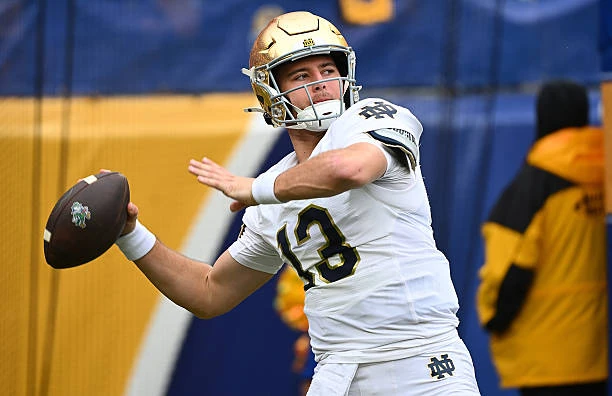
Every play in football involves multiple decisions. Before the snap, the quarterback studies the defense and tries to identify potential pressure or coverage schemes. After the snap, that same quarterback may have only a few seconds to determine where the ball should go.
Running backs also make split-second decisions. A designed running play may have a specific direction, but defensive movement can force the runner to change course immediately. Receivers must decide how to adjust their routes based on coverage, while defensive players constantly evaluate where the ball is going and how to react.
These decisions happen incredibly quickly. Players cannot stop and carefully analyze every possibility. Instead, they rely on preparation, experience, instincts, and knowledge of the game.
Why Quarterback Decisions Matter So Much
The quarterback is often considered the decision-making center of an offense. While football is very much a team sport, quarterbacks frequently have the responsibility of making important choices before and during a play.
Pre-snap reads can reveal valuable information. A quarterback may notice that a defense has overloaded one side of the offensive line or that defensive backs are positioned in a way that suggests a particular coverage. The quarterback can then adjust the play or change the intended target.
Once the ball is snapped, the situation becomes even more challenging.
The quarterback has to process several factors at once:
- How quickly the defensive line is applying pressure
- Whether receivers are open
- How linebackers are moving
- Whether the original play is still developing correctly
- When to throw the ball away
- Whether scrambling is the best option
The best quarterbacks do not simply throw the ball the hardest or farthest. They understand when to take risks and when to protect the football.
Learning From Mistakes
Mistakes are unavoidable in football. Even the best players throw interceptions, miss tackles, lose fumbles, or make poor decisions. What separates successful players is often their ability to learn from those mistakes.
Film study is one of the most important tools available to football players. Coaches and players review previous games to identify mistakes and understand why they happened.
A quarterback might discover that an interception occurred because he failed to recognize a safety moving into coverage. A linebacker may realize that he reacted too quickly to a fake handoff. A receiver might learn that his route was slightly incorrect and created an opportunity for the defender.
Studying these moments allows players to improve their decision-making before the next game.
College Football Provides a Unique Challenge
College football presents many of the same strategic challenges as the NFL, but the environment can be very different. Young players are still developing their skills and learning how to handle pressure at a high level.
College quarterbacks, in particular, often face enormous expectations. A single Saturday performance can generate national attention, while a difficult game can lead to intense criticism.
This makes mental preparation extremely important.
College football teams spend countless hours studying opponents. Coaches analyze tendencies, formations, personnel, and previous performances. Players then use this information to prepare for different situations they may encounter during the game.
The more prepared a player is, the easier it becomes to make quick decisions when the pressure arrives.
The Role of Coaches
Players are not the only people making important decisions. Football coaches are constantly evaluating situations throughout a game.
Should the offense attempt a fourth-down conversion or punt?
Should the team attempt a field goal?
Should the defense blitz or play coverage?
Should the team use a timeout?
These decisions can have a major effect on the final score.
Modern football has also become increasingly analytical. Coaches now have access to large amounts of statistical information that can help them evaluate situations. Fourth-down decisions, two-point conversion attempts, clock management, and defensive tendencies can all be examined using data.
However, statistics are only one part of coaching. Experience, game situation, player confidence, weather, and opponent tendencies can also influence a decision.
Mental Discipline Is Essential
Physical preparation receives a great deal of attention in football, but mental discipline is just as important.
Players must remain focused despite crowd noise, pressure, fatigue, and mistakes. A defensive back who gives up a long touchdown cannot afford to spend the next series thinking about the previous play. The next snap requires complete attention.
The same principle applies to offensive players.
A receiver who drops a pass has to move on immediately. A quarterback who throws an interception has to continue making confident decisions. A kicker who misses an important field goal may have another opportunity later in the game.
The ability to reset mentally is one of the characteristics shared by many successful athletes.
Decision-Making Extends Beyond the Field
The ability to evaluate situations, consider possibilities, and make decisions under pressure is not limited to football.
Many recreational activities and strategy-based games also require participants to think ahead and evaluate different possibilities. For example, people interested in card-based entertainment may explore platforms such as Teen Patti Master, where understanding game situations and making choices are central parts of the experience.
The important lesson is not that the activities are identical. Football is a team sport requiring physical athleticism, while card games involve a very different type of decision-making. However, both demonstrate how people can become more thoughtful and disciplined when they learn to evaluate situations rather than act impulsively.
Preparation Creates Better Decisions
One of the biggest lessons from football is that good decisions usually begin with preparation.
A quarterback does not walk onto the field without knowing anything about the opponent. The team has already studied film, practiced formations, reviewed plays, and discussed possible scenarios.
The same applies to defensive players.
A linebacker may spend the week studying an opponent's offensive tendencies. By game day, certain formations and movements can become familiar. That preparation allows the linebacker to react more quickly when the actual situation occurs.
Preparation effectively reduces the amount of uncertainty a player faces.
Technology Is Changing Football Strategy
Technology has also transformed the way NFL and college football teams prepare.
Video analysis allows coaches to study opponents in remarkable detail. Tracking systems can provide information about player movement, speed, positioning, and tendencies. Teams can use this information to identify patterns that might not be obvious during a live game.
This technology does not eliminate the need for football instincts. Instead, it gives coaches and players additional information that can improve preparation.
The combination of data and traditional football knowledge has made modern game planning more sophisticated than ever.
What Fans Can Learn From Football Strategy
Football is enjoyable not only because of the physical action but also because of the strategy behind every play.
Fans can improve their understanding of the game by watching what happens before the snap, identifying defensive formations, and paying attention to how coaches respond to changing situations.
Instead of simply watching where the ball goes, viewers can ask questions such as:
- Why did the quarterback choose that receiver?
- Why did the defense blitz?
- Why did the coach call a timeout?
- Why did the running back change direction?
- Why did the offense attempt fourth down?
Thinking about these questions can make watching NFL and college football much more interesting.
Final Thoughts
Football rewards preparation, intelligence, discipline, and the ability to make decisions under pressure. From an NFL quarterback reading a defense to a college coach deciding whether to attempt a fourth-down conversion, every game contains hundreds of choices that can influence the final result.
Physical talent may create opportunities, but smart decisions help players and teams take advantage of them. That is why the greatest football organizations invest so heavily in film study, preparation, analytics, and mental development.
For fans, understanding the decision-making side of football can make every game more engaging. The next time you watch an NFL or college football matchup, look beyond the final score and pay attention to the decisions that shape the game. Often, those small choices are what ultimately determine who walks away with the win.

 Charlie Campbell