 Walt
Walt
NFL salaries now look less like sports wages and more like corporate takeover figures. For fans following the league through the best betting sites, the headline numbers can feel unreal, especially when one player earns more each season than many sporting organizations.
Below, you will see who holds the biggest NFL paycheck, why quarterback contracts dominate the market, how guaranteed money changes a deal’s real value, and which positions are closing the gap as league revenues and the salary cap continue rising.
How NFL Player Salaries Have Reached Record Levels
The Evolution of NFL Contracts over the Past Decade
Over the past decade, asking who is the highest paid NFL player reflects a shift from deals with limited guarantees toward shorter 3-to-5-year extensions with protected cash. Bonuses, restructures, and void years help teams manage cap charges while players secure stronger protection.
Why Quarterback Salaries Continue to Dominate the Market
Questions about the highest paid QB in NFL start with scarcity, because franchise passers affect nearly every offensive decision. Teams fear the instability following a failed replacement, so established starters gain leverage and often reset the market whenever negotiating an extension.
The Impact of the Salary Cap on Elite Player Earnings
The salary cap limits how much each club can spend, so teams are always choosing between paying stars and keeping depth. As record cap growth drives contracts upward, clubs giving one player 15% to 20% of their space often lean on rookies and cheaper veterans.
Who Is the Highest-Paid NFL Player Today?
Breaking Down the League's Richest Contract
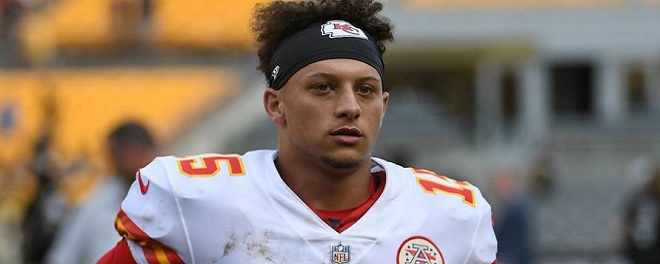
Patrick Mahomes owns the league’s richest overall contract, valued at $504.75 million across a 10-year extension. The reworked Mahomes agreement uses rolling roster bonuses and flexible restructures, giving him long-term security while allowing Kansas City to manage yearly salary cap pressure more effectively.
Annual Salary vs Total Contract Value
Average Annual Value divides a contract’s total face value by its length, making the highest paid NFL quarterbacks easier to compare. Mahomes leads at $64 million annually after his adjustment, while Prescott averages $60 million, with Mahomes’ longer agreement producing the larger overall headline contract figure.
Guaranteed Money and Why It Matters Most
Guaranteed money matters when comparing a superstar with the lowest paid NFL player, because contracts are not protected in full. Prescott’s deal includes $231 million in guarantees, while Deshaun Watson received $230 million fully guaranteed, revealing more than maximum value.
The Highest-Paid NFL Players by Position
Quarterbacks Leading the Earnings Race
Quarterbacks still lead the earnings race, with Patrick Mahomes at $64 million per year and Dak Prescott at $60 million. Current NFL salary rankings also place Josh Allen, Joe Burrow, Trevor Lawrence, and Jordan Love at $55 million annually each.
Top-Paid Wide Receivers and Tight Ends
Ja'Marr Chase answers questions about the highest paid WR in NFL, leading wide receivers at $40.3 million annually, ahead of Justin Jefferson at $35 million and CeeDee Lamb at $34 million. George Kittle tops tight ends at $19.1 million per year.
Running Backs and the Changing Market
Running back pay has recovered slightly after years of weaker growth. Saquon Barkley leads at $20.6 million annually, followed by Christian McCaffrey at $19 million, while Jonathan Taylor's $14 million deal shows the gap between elite playmakers and traditional backs.
Defensive Stars Earning Premium Contracts
The highest paid defensive players NFL teams employ are those who disrupt passing attacks. Elite edge rushers command $46.5 million to $50 million annually, while interior defenders, cornerbacks, and safeties earn premium deals when they change how opposing offenses operate.
Offensive Linemen Setting New Salary Records
Offensive linemen set salary records that exceed the highest paid NFL kicker as teams spend to protect quarterbacks. Laremy Tunsil leads tackles at $30.1 million annually, Tyler Linderbaum tops centers at $27 million, and Tyler Smith leads guards at $24 million.
What Makes an NFL Contract Worth Hundreds of Millions?
Signing Bonuses Explained
A signing bonus gives the player immediate, fully guaranteed cash after the deal is completed. Although the money is paid upfront, teams can spread its salary cap charge across the contract for up to 5 years, reducing the agreement’s immediate accounting burden.
Guaranteed Salary and Roster Bonuses
Guaranteed salary helps explain who is the lowest paid NFL player by protecting earnings against release, injury, or performance decisions. Roster bonuses differ because they are paid when a player remains with the team on schedule and count within that season.
Performance Incentives and Escalators
Performance incentives can increase earnings for the highest paid kicker in NFL through targets involving statistics, playing time, awards, or team results. Escalators work differently by raising future base salaries after benchmarks are met, rewarding strong performance across later contract years.
Contract Restructures and Extensions
Contract restructures usually convert base salary into signing bonus money, creating immediate cap space while pushing charges into future years. Extensions add new seasons before the current deal expires, helping teams retain stars early and spread larger financial commitments more smoothly.
The Biggest NFL Contracts in League History
Record-Breaking Quarterback Extensions
Quarterback extensions dominate NFL history because teams will pay heavily for long-term stability at the league’s most important position. Patrick Mahomes’ 10-year, $504.75 million deal remains the largest, while Joe Burrow and Trevor Lawrence each reached $275 million in total value.
Landmark Deals That Changed the Market
Some huge contracts really changed how later negotiations played out. Kirk Cousins earned $84 million fully guaranteed in 2018, Deshaun Watson later got $230 million guaranteed, and Reggie White’s 1993 move helped create stronger unrestricted free agency leverage for elite players across the league.
Contracts That Reset Positional Salary Standards
Non-quarterback stars continue resetting salary standards across the league. Ja’Marr Chase reached $40.3 million annually at wide receiver, while Zay Flowers’ major extension shows how quickly the market is rising as elite edge rushers and offensive linemen also push toward record pay.
How NFL Stars Earn Beyond Their Contracts
Endorsement Partnerships with Global Brands
Compared with the highest paid NFL coaches, star players can earn beyond salaries through insurance, apparel, automotive, beverage, and technology deals. Patrick Mahomes is linked to over $25 million yearly, while Dak Prescott and Russell Wilson also collect major income away from the game.
Business Investments and Ownership Opportunities
Business investments allow players to build wealth beyond their playing careers. Patrick Mahomes holds stakes in the Kansas City Royals, Sporting KC, Kansas City Current, and Alpine F1, while other stars use venture funds, real estate, and consumer brands to diversify earnings.
Media Appearances and Post-Career Income
Media work can rival the earnings associated with the highest paid NFL coach. Tom Brady signed a 10-year, $375 million broadcasting contract with FOX Sports, while Tony Romo and Troy Aikman earn between $17 million and $18 million annually as television analysts.
Which Teams Spend the Most on Superstar Talent?
Franchises Investing Heavily in Quarterbacks
Quarterback spending has become especially heavy in Dallas, Kansas City, Cincinnati, Jacksonville, and Buffalo. Dak Prescott, Patrick Mahomes, Joe Burrow, Trevor Lawrence, and Josh Allen each hold deals worth at least $55 million annually, leaving their clubs with tougher choices when planning future rosters.
Balancing Elite Salaries with Roster Depth
Big contracts for several top players often leave less money for the middle of the roster, where steady veterans may be lost. To balance things, teams lean on rookie contracts, inexpensive backups, and short-term veterans while trying to protect quality elsewhere.
Salary Cap Strategies Used by Successful Teams
Successful teams use several contract tools to create immediate cap space without reducing a player’s cash. Each approach offers useful flexibility, but it also shifts financial pressure into future seasons, making timing and roster planning essential for long-term success across the league.
|
Strategy |
Main Advantage |
Main Risk |
|
Signing bonus conversions |
Lower the current cap hit by spreading money across future years |
Create larger future charges and possible dead money |
|
Early extensions |
Secure key players before market prices rise further |
Carry long commitments if performance later declines |
|
Option bonuses |
Provide planned flexibility while delaying part of the cap impact |
Add future obligations when the option is activated |
|
Void years |
Extend bonus proration beyond the actual playing term |
Leave cap charges after the player’s contract ends |
How NFL Salaries Compare with Other Major Sports
NFL vs NBA Player Earnings
NFL teams have to spread league revenue across 53 active players, while NBA clubs work with rosters of only 15. So, it is not surprising that NBA salaries average about $11.9 million, while NFL salaries sit closer to $3 million or $3.5 million today.
NFL vs MLB Guaranteed Contracts
MLB contracts are generally fully guaranteed, while NFL deals often contain partial guarantees, injury protections, and team-controlled years. Baseball also has no hard salary cap, allowing stars such as Juan Soto and Shohei Ohtani to sign longer, larger agreements than NFL players.
NFL vs Premier League Football Salaries
The average Premier League player makes about $4.1 million each year, slightly more than the average NFL player, since clubs use smaller first-team squads. Even so, leading NFL quarterbacks earning $55 million to $60 million can make more than England’s biggest football stars.
Future Contracts That Could Break NFL Salary Records
Young Superstars Approaching Massive Extensions
C.J. Stroud could eventually target $65 million to $70 million annually, while Puka Nacua may push wide receiver pay toward $42 million to $45 million. Young pass rushers and cornerbacks could also challenge current positional records when their extension windows open.
Market Trends Shaping the Next Generation of Contracts
Future contracts may feature $60 million-plus quarterback salaries, guarantees between $150 million and $200 million, and shorter 3-to-4-year terms. Agents could also pursue clauses tied to salary cap growth, helping stars avoid losing value as league revenues continue rising steadily.
Could the First Billion-Dollar NFL Contract Ever Happen?
A $1 billion NFL contract remains unlikely, but it is not impossible. Reaching that figure could require a 12-to-15-year deal averaging $67 million to $83 million annually, alongside major salary cap growth and an owner willing to fund enormous guarantees.

Conclusion
NFL salaries tell a broader story about scarcity, leverage, and the value teams place on winning. Mahomes leads both the annual average rankings and total overall commitment, with Prescott right behind in annual pay, and every new extension gives the next elite player a stronger negotiating position.
The biggest figures will keep changing as revenue grows and the cap expands. But the central pattern looks settled: quarterbacks will command the first wave of record deals, while receivers, pass rushers, linemen, and specialists continue pushing their own markets upward.
FAQs
What Is Dead Cap Space in the NFL?
Dead cap is salary cap space charged for money already paid or guaranteed after a player leaves. It limits spending without keeping that player on the roster.
How Do Injury-Only Guarantees Work?
Injury-only guarantees protect salary when a qualifying injury prevents a player from continuing. They do not always protect the same money when release follows poor performance.
What Are Practical Guarantees in an NFL Contract?
Practical guarantees are amounts expected to become fully protected because of contract timing and vesting dates. Teams often must decide early whether to retain or release the player.
How Do Rolling Guarantees Protect NFL Players?
Rolling guarantees protect future compensation in stages rather than immediately. A later salary or bonus becomes fully guaranteed on a specified date during an earlier contract year.
 Charlie Campbell