
 Walt
Walt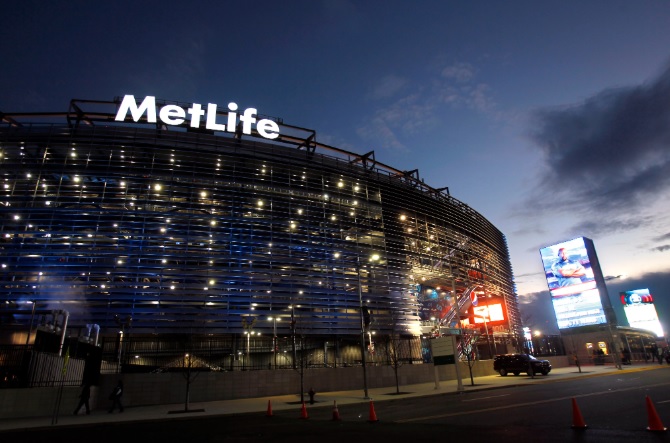
MetLife Stadium has spent over a decade building a reputation as one of American sport's most versatile stages, but nothing before compared to this year. On July 19, 2026, Spain beat Argentina 1-0 in extra time to win the World Cup final on the same New Jersey field where the New York Giants and Jets battle every autumn. It's a reminder that long before soccer arrived, MetLife had already carved out its own legacy in professional football.
The Home Turf of Two NFL Franchises
MetLife Stadium opened in 2010 as a shared home for the Giants and Jets, an arrangement almost unique in American sports. The stadium seats over 82,500 fans, and its lighting system switches colors depending on which team is playing, blue for the Giants, green for the Jets. Between games, the grounds crew has roughly sixteen hours to flip the entire building's branding, turf markings, and signage from one team's identity to the other. Few venues anywhere carry that kind of split personality, and it's part of what makes MetLife such a fixture in NFL culture even without a permanent identity of its own.
Super Bowl XLVIII and MetLife's Signature NFL Moment
The stadium's defining NFL moment arrived in February 2014, when it hosted Super Bowl XLVIII between the Seattle Seahawks and Denver Broncos. It was the first Super Bowl ever played outdoors in a cold-weather city, a decision that raised eyebrows across the league at the time. Seattle made the gamble look easy, dismantling Denver 43-8 in one of the most one-sided finals in Super Bowl history. That night remains the standard against which every other MetLife event gets measured, and it's the reason the stadium is regularly ranked among the league's more iconic venues despite being one of its newer builds.
Postseason Football and the Regular Grind
Super Bowl XLVIII wasn't the only postseason moment MetLife has produced. The Giants hosted a Wild Card playoff game there in January 2011, beating the Atlanta Falcons 24-2 in a rout that briefly made MetLife feel like a true home-field fortress. Beyond the playoffs, the stadium has hosted well over a decade of Sunday and Monday night football, division rivalries, and the kind of week-to-week NFL drama that doesn't always make headlines but is exactly what keeps fans coming back. It's also hosted college football, Army-Navy in 2021, WrestleMania twice, and now international soccer at the very highest level.
A World Cup Final on NFL Turf
That international soccer chapter reached its peak this July. Spain's win over Argentina, sealed by a Ferran Torres strike in the 106th minute, capped off the largest World Cup ever staged and closed the book on what was likely Lionel Messi's final World Cup appearance at age 39. For a stadium built and run primarily as an NFL venue, hosting the planet's single biggest sporting event says a great deal about how far MetLife's reputation has traveled since 2010, from a Giants and Jets facility to a genuine global stage.
Following the Action, NFL Season and Beyond
With the World Cup wrapped up, attention at MetLife naturally swings back toward football season, and fans across Canada are no exception, plenty of Giants and Jets interest crosses the border, along with a broader appetite for NFL coverage as training camps open and the new season approaches. For Canadian fans wanting a dependable way to follow the odds and storylines heading into another NFL year, it's worth checking out the best sport betting sites canada, which rounds up trustworthy platforms for anyone looking to stay informed through the season.
A Building That Keeps Adding Chapters
From a lopsided Super Bowl blowout to a nail-biting World Cup final decided in extra time, MetLife Stadium has proven it can carry the weight of any sport's biggest night. Its primary identity will always be tied to Sundays in East Rutherford and the Giants and Jets who call it home, but 2026 confirmed something else too: when the world needs its grandest stage, New Jersey is ready to host.

 Charlie Campbell