
 Walt
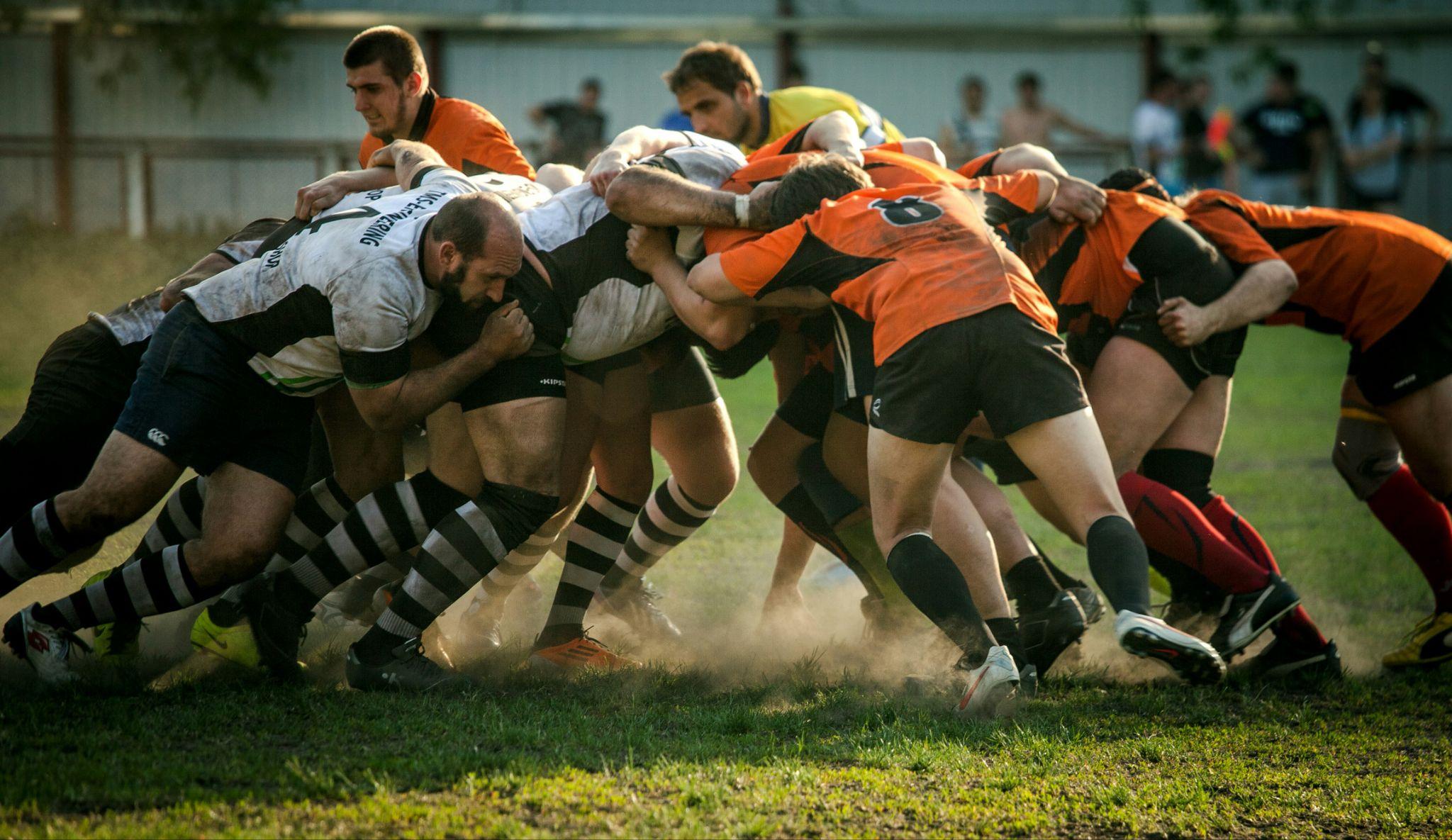
Photo by Olga Guryanova on Unsplash
Rugby Intelligence: The Skills and Decisions That Statistics Cannot Measure
Modern rugby produces an enormous amount of performance data. Analysts can measure tackles completed, running metres, line breaks, kicking distance, ruck speed, and territory gained. GPS tracking adds another dimension, recording physical workloads and movement patterns throughout a match. Yet some of the qualities separating exceptional players from average professionals remain difficult to express through numbers.
A fly-half might finish a match without scoring a point or making a clean break, yet control the entire attacking structure through intelligent positioning and tactical decisions. A defensive midfielder in football can influence the game without touching the ball, and rugby has similar situations. An openside flanker who closes a passing channel or a centre who identifies a dangerous attacking pattern may prevent a scoring opportunity before it develops.
For spectators examining match statistics through digital sports platforms, including services associated with 1xbet singapore online betting, the distinction between visible results and underlying performance is particularly relevant. High-traffic sports information systems depend on responsive infrastructure, reliable data distribution, and secure account management to deliver rapidly changing match information. However, even sophisticated statistical interfaces cannot fully explain the decisions that determine possession, territory, and attacking opportunities.
Understanding rugby therefore requires more than counting successful actions. The most revealing analysis often begins with events that never appear in the official match summary.
Reading Defensive Structures Before the Ball Arrives
One of the defining characteristics of elite rugby playmakers is their ability to interpret defensive organization before initiating an attack.
Unlike sports built around isolated offensive possessions, rugby frequently involves continuous phases where defensive structures change after every tackle. Players must identify numerical mismatches, recognize available space, and anticipate how defenders will respond to movement.
The fly-half typically carries significant responsibility for these decisions, although scrum-halves, centres, and fullbacks also contribute to tactical organization.
Recognizing Space Before It Opens
An effective playmaker does not simply react to visible gaps. They anticipate where space will appear after defenders commit to particular assignments.
Consider an attacking sequence near the opposition's 22-metre line. The defensive team has established a narrow line, expecting another forward carry around the breakdown.
An inexperienced fly-half might immediately distribute the ball toward the outside backs. A more perceptive player notices that the defending winger has moved inward, creating space behind the defensive line.
Rather than forcing a pass, the fly-half may select a carefully weighted attacking kick.
The resulting opportunity might be recorded as a kick, a territory gain, or an attacking possession. What the statistics rarely capture is the initial recognition of defensive positioning.
Several cognitive skills contribute to this process:
Peripheral awareness: Monitoring multiple defenders without concentrating exclusively on the player directly ahead.
Pattern recognition: Identifying familiar defensive formations and anticipating their likely movements.
Timing: Delaying or accelerating distribution to create favorable attacking conditions.
Spatial judgment: Recognizing when a defensive mismatch offers enough room for an effective attacking action.
Tactical adaptability: Changing the original attacking plan when defensive behavior makes another option preferable.
These abilities become particularly important against organized defensive systems that deliberately disguise their intentions.
Why Passing Statistics Can Be Misleading
A player completing numerous passes may appear highly productive, but passing volume alone reveals little about decision quality.
Some passes simply transfer responsibility to another player without creating an advantage. Others manipulate defensive spacing, force defenders into difficult choices, or preserve possession under pressure.
A short pass that attracts two defenders can create more tactical value than a long pass producing several additional metres.
Analysts examining decision-making must therefore consider the defensive response generated by each action rather than treating all completed passes as equivalent.
Defensive Leadership and the Art of Preventing Opportunities
Defensive statistics traditionally emphasize completed tackles, missed tackles, and turnovers won. These measurements remain useful, but they do not fully represent how an effective defensive system functions.
Rugby defense is fundamentally collective. Individual players must coordinate their positioning, line speed, communication, and tackling responsibilities to prevent attacking teams from creating favorable situations.
A defender can have an outstanding match while recording relatively few tackles if their positioning consistently discourages opponents from attacking their channel.
Communication as a Defensive Skill
Successful defensive organization requires continuous information exchange.
Players communicate when opponents change attacking alignment, when a teammate becomes isolated, or when additional defensive support is required near the breakdown.
A defensive captain or experienced centre may recognize a dangerous overlap before the attacking team exploits it.
By calling for an adjustment, they can prevent the ball carrier from encountering an unmarked teammate.
The official statistics will not necessarily credit the player responsible for that correction. Nevertheless, the intervention may be as important as a decisive tackle.
Communication influences several defensive responsibilities:
Line integrity: Maintaining appropriate spacing between defenders as the attacking team moves the ball.
Inside support: Ensuring defenders receive assistance when opponents attack their inside shoulder.
Breakdown organization: Determining which players contest possession and which maintain the defensive line.
Backfield coverage: Coordinating protection against attacking kicks into open space.
Transition defense: Reorganizing quickly after turnovers, broken tackles, or unexpected changes in possession.
A breakdown in any of these areas can produce an attacking opportunity even when individual defenders possess excellent tackling technique.
The Importance of Defensive Restraint
Aggressive defenders often attract attention because of powerful tackles and turnovers. However, disciplined restraint can be equally valuable.
An openside flanker who attempts an unrealistic turnover may leave the defensive line vulnerable if the opposing team retains possession.
A more disciplined player recognizes when contesting the ball offers insufficient reward and instead returns to the defensive structure.
This decision may generate no positive statistical entry. Yet it protects the team against a potentially dangerous attacking sequence.
Defensive intelligence involves understanding when not to act as much as knowing when to intervene.
Tactical Kicking, Territory, and Decisions Under Pressure
Kicking is among the most strategically complex elements of rugby union.
A kick can relieve defensive pressure, challenge an opponent's aerial positioning, force a territorial exchange, or create a direct attacking opportunity.
Evaluating kicking performance solely through distance or possession recovery fails to capture these different tactical objectives.
Territory Is Not Always About Distance
A long kick may appear impressive but provide limited value if the opposing fullback receives the ball with ample space to counterattack.
Conversely, a shorter kick that lands near the touchline and allows an organized defensive chase can create more favorable field position.
The effectiveness of a tactical kick depends on several interconnected factors:
Field position: The location of the attacking and defending teams when the kick is executed.
Defensive coverage: The positioning of opposition players responsible for receiving the ball.
Chase organization: Whether teammates can apply pressure immediately after the kick.
Game situation: The score, remaining time, and team's broader tactical priorities.
Execution quality: The accuracy, trajectory, and timing of the kick itself.
A successful tactical kicking strategy requires coordination between the kicker and supporting players.
The quality of a kick cannot be separated from the movement that follows it.
Decision-Making Under Fatigue
Rugby players must repeatedly make tactical decisions after intense physical contact.
Heavy tackles, scrums, repeated accelerations, and extended defensive sequences contribute to fatigue, which can influence concentration and execution.
A fly-half who makes excellent decisions during the opening stages may face very different cognitive demands during the final minutes.
At that point, choosing the simplest effective option can become more important than attempting an elaborate attacking sequence.
Experienced players often demonstrate an ability to maintain tactical discipline when the match becomes chaotic.
They recognize when to slow the tempo, when to retain possession through the forwards, and when to prioritize territory over attacking ambition.
These decisions rarely produce spectacular highlights, but they can determine whether a team protects a narrow lead or allows opponents another scoring opportunity.
The Difference Between Risk and Recklessness
Elite rugby requires calculated risk-taking.
An ambitious cross-field kick might be appropriate when an attacking winger has a clear positional advantage. The same decision becomes questionable when defenders are already covering the space.
The relevant skill is not avoiding risk entirely. It is selecting actions whose potential tactical benefits justify their possible consequences.
This distinction explains why experienced playmakers sometimes appear conservative despite possessing exceptional attacking abilities.
Their contribution lies in recognizing when patience creates better opportunities than immediate aggression.
Leadership, Adaptability, and the Limits of Modern Rugby Analytics
Professional rugby teams increasingly combine video analysis, positional tracking, and detailed performance indicators to evaluate players.
These technologies provide valuable information about physical output and tactical execution. However, performance analysis remains dependent on context.
A player making twelve tackles against sustained attacking pressure cannot automatically be compared with someone making six tackles during a match dominated by their own team.
Similarly, a fly-half producing fewer running metres may be performing exactly the role required by the tactical system.
What Video Analysis Reveals
Match footage allows coaches to examine decisions that conventional statistics cannot adequately describe.
Analysts can review what happened before a successful action, including positioning, communication, and the movement of players who never received the ball.
Particularly valuable observations include:
Off-ball movement: Runs that attract defenders or open passing channels for teammates.
Support positioning: Players placing themselves in useful positions before a tackle or line break occurs.
Decision timing: Whether an action was selected before or after defensive conditions changed.
Structural discipline: Maintaining tactical responsibilities rather than pursuing unnecessary individual involvement.
Response to mistakes: How quickly a player returns to effective decision-making after an unsuccessful action.
These observations help distinguish technical execution from tactical understanding.
A successful pass may reflect excellent judgment, but it can also result from a defensive mistake. Video analysis provides the context necessary to make that distinction.
Leadership Beyond the Captain's Armband
Rugby leadership is not restricted to the official captain.
Experienced forwards frequently influence breakdown organization, while scrum-halves coordinate attacking tempo and defensive communication.
Some players demonstrate leadership through verbal instructions. Others establish stability by consistently making appropriate decisions during difficult situations.
A young teammate may perform more confidently when an experienced player communicates clearly and maintains composure after conceding points.
Such influence is difficult to quantify, but its impact can become apparent through improved collective organization.
Combining Statistics With Tactical Context
The most effective approach to rugby evaluation does not reject statistical analysis. It combines quantitative evidence with careful interpretation.
Performance indicators help identify patterns, measure consistency, and compare outcomes across multiple matches. Video analysis explains how those outcomes developed.
Researchers examining rugby union performance have also highlighted the importance of match context and the limitations of treating isolated indicators as universal predictors of success.
A comprehensive evaluation should therefore consider individual responsibilities, opposition quality, tactical systems, and changing match conditions.
The purpose of analytics is not to reduce every player to a single performance score. It is to support a more accurate understanding of the decisions and behaviors contributing to collective success.
Conclusion
Rugby is a sport where the most important contribution is not always the most visible one.
A perfectly timed pass, a defensive adjustment, an intelligent territorial kick, or a calm decision under pressure can influence a match without producing remarkable individual statistics.
Modern tracking systems and advanced performance models have significantly improved the analysis of professional rugby. Nevertheless, interpreting player quality still requires tactical awareness, detailed match observation, and an understanding of individual responsibilities.
The difference between a productive player and an exceptional one often emerges in the moments before the measurable action takes place.

 Charlie Campbell