 Walt
How Form Affects Player Props Markets
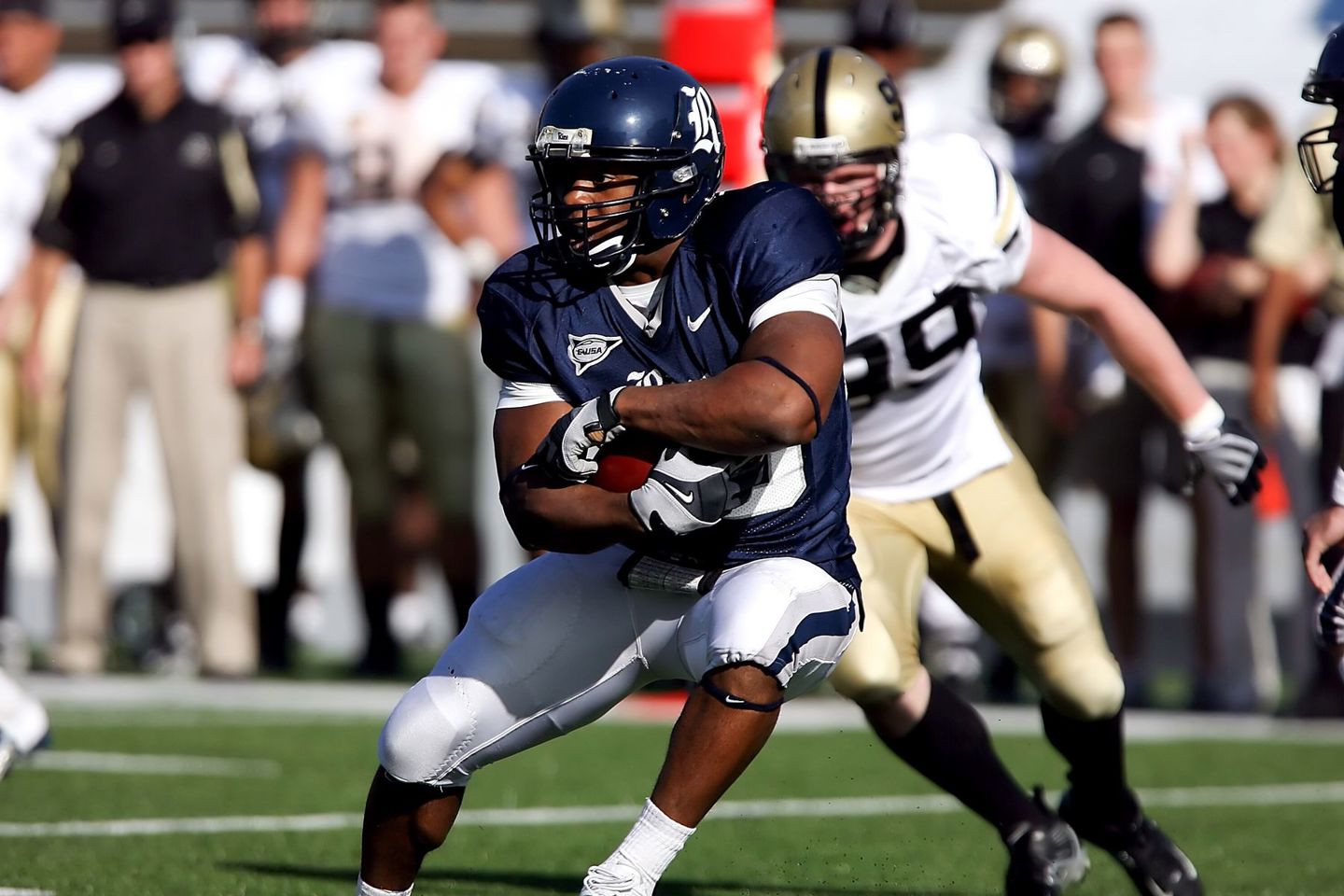
A running back can finish Sunday with modest yardage and emerge from the game with a greater role in his team's offense. Carolina's Chuba Hubbard offered a striking example during Week 8 of the 2026 NFL season. He played 92% of the Panthers' offensive snaps and accounted for 51.7% of their rushing and receiving opportunities. Both figures represented substantial increases on his earlier averages. For anyone assessing player propositions, such changes deserve attention. Recent form involves more than the yards a player gained. Playing time and opportunity can reveal developments that the final statistics conceal.
Why Recent Production Needs Context
Player props ask you to judge a specific performance rather than the outcome of an entire game. A receiving line might require a wideout to gain more than 65.5 yards. Your assessment depends partly on recent results, although the player's opportunities deserve equal consideration. Betting platforms publish different offers around those markets. Covers also ranks casinos and reviews promotional conditions. Canadian readers can read more about the Stake Promo Code available in Canada to examine eligibility and wagering requirements. Those details concern the account rather than the probability of a particular football result.
A strong box score can contain surprisingly little evidence about future production. One long reception might account for most of a receiver's yardage. Repeated involvement across several possessions offers a different indication of his role. Nathan Jahnke's November 2 report for Pro Football Focus examined snap counts and route participation alongside targets. The analysis identified Antonio Williams and Cyrus Allen among the receivers whose involvement increased during Week 8.
Playing Time Can Reveal a Change Before Yardage Does
Jahnke also identified Arizona's Reggie Virgil as a receiver who reached a career-high snap rate. The Fantasy IQ recorded his Week 8 participation at 47% of offensive plays, compared with just 4% in each of the previous two games. That increase deserves attention when evaluating future receiving lines. Virgil's two targets, however, show that greater playing time had yet to produce a substantial passing-game workload.
Routes provide another check. A receiver can participate in numerous snaps without running a passing route on every play. Blocking assignments account for some of that time. The percentage of team dropbacks on which he runs a route helps distinguish genuine receiving opportunities from general participation. For NFL picks involving receptions or yardage, that distinction can offer more context than snap share alone.
Running Backs Require a Different Calculation
Hubbard's Week 8 workload provides a stronger example of why opportunity deserves careful measurement. The Fantasy IQ recorded 22 carries and eight targets alongside his 92% snap participation. His opportunity share rose by 20.6 percentage points against his average from Weeks 1 through 7.Those figures indicate that Carolina gave him a larger share of its offensive work. Whether that involvement continues depends on the team's personnel and the conditions of its next matchup.
Las Vegas provided another significant change during the same round. Mike Washington Jr. played 60% of the Raiders' offensive snaps and recorded 25 carries. His snap share increased by 39 percentage points against his previous average. A rushing-yard proposition depends on both workload and efficiency. Twenty-five carries provide substantial opportunity, although the yards gained from those attempts still depend on blocking and the opposing defense.
An Improving Role Still Needs Confirmation
Arizona rookie Jeremiyah Love illustrates the difficulty of treating an emerging pattern as established form. CenterPointSports recorded snap shares of 43% and 40% in his opening two appearances. His participation then reached 64% in Week 3. After missing subsequent games, Love returned in Week 8 and played just 19% of offensive snaps. The earlier increase offered evidence of greater involvement. His reduced workload on returning called for a fresh assessment before projecting future carries.
Availability creates the same problem for fantasy football managers. A player might retain an attractive season average despite a recent reduction in opportunities. The league's injury-report policy requires clubs to disclose practice participation and assign game-status designations to affected players. For bettors, those updates belong alongside usage figures. A player returning from an absence may receive fewer snaps than his previous role would suggest, even when he remains available for selection.
Targets Tell You More Than Receptions Alone
Dallas receiver CeeDee Lamb attracted 12 targets during Week 8 against Arizona. He caught five passes for 74 yards and two touchdowns. Footballguys recorded his target share at 46% of the Cowboys' passing attempts directed at receivers. That combination reveals substantial involvement despite a completion rate below 50% on his targets. A bettor concentrating on receptions would examine the result differently from somebody assessing receiving yardage.
Target share also helps distinguish a dependable offensive role from an isolated performance. If a receiver attracts ten passes during a game with 25 team attempts, he commands 40% of the available targets. That is a different situation from receiving ten passes during a 50-attempt performance. The underlying figures can indicate how much of the passing offense runs through that player. They still require context from the quarterback's performance and the opposition.
The Next Opponent Can Change the Projection
Recent form becomes more informative when you examine the upcoming matchup. A running back with a growing workload may encounter a defense that limits rushing attempts through its ability to establish an early lead. The same player could see more receiving opportunities if his team spends much of the contest trailing. Each scenario affects the type of proposition worth examining, even when his general role remains unchanged.
Canadian interest in those weekly decisions is substantial. Bell Media reported that Super Bowl LX reached almost 16 million viewers across its Canadian broadcasting platforms in February 2026. The wider football audience includes people following individual performances across the season. For those examining betting markets, matchup research helps establish whether recent production reflects a repeatable role or circumstances that may change.

 Charlie Campbell