
 Walt
WaltThirty years ago, asking someone in Berlin or São Paulo about the NFL would have earned you a blank stare, maybe a shrug. Today it's a different story entirely. Stadiums abroad sell out in minutes, jerseys show up on European high streets, and message boards buzz at 3 a.m. local time because a game just kicked off in New Jersey. Something clearly shifted, and it happened faster than most people in the sport expected. Understanding what pulled so many people outside the US into this famously American sport says a lot about modern entertainment itself — and about how sports fandom now travels far past borders.

A Sport That Crossed the Atlantic
American football popularity used to be a domestic story, tightly wrapped around Thanksgiving dinners and college rivalries most outsiders never heard of. That's changed. Cable deals, streaming platforms, and a steady stream of highlight clips on social media introduced the sport to people who'd never seen a snap in their lives. Some got hooked on the strategy. Others just liked the spectacle.
The league noticed, and it acted on that fairly quickly. Marketing budgets aimed overseas grew, broadcast rights expanded into dozens of new countries, and suddenly a Sunday afternoon in Ohio was also prime-time content in Mexico City. It wasn't an accident — it was a plan that worked, and worked better than anyone in the front office probably predicted.
Watching From Anywhere: Streaming Gaps and Time Zones
Here's the catch, though: not every fan lives somewhere with easy access to NFL broadcasts, and even when they do, blackout rules or regional licensing can get in the way fast. A game airing live in the US might be geo-blocked or simply unavailable through local providers a few time zones over.
Many fans already know that services determine location based on IP addresses, which can be masked using a VPN. Fans are increasingly choosing VeePN secure connection, as it ensures anonymity and data security. With VeePN, you simply select a region, and it assigns you a new IP address, allowing you to watch live broadcasts or replays from anywhere in the world. It's not glamorous, but it's become a normal part of how international fans actually experience the league.
Why the Game Itself Travels Well
Part of the appeal is just... the game. Each play resets. There's a huddle, a formation, a snap, and then eleven seconds — sometimes less — of controlled chaos. For newcomers, that structure is oddly easy to follow compared to sports with constant, flowing action. You get a breather. You get replays. You get analysts explaining exactly what just happened before the next play even starts, which helps a lot when you're still learning the rulebook.
Add in the hitting, the trick plays, the last-second field goals that decide entire seasons, and you've got a sport built for highlight reels. Short clips travel well on phones. That matters more than people admit.
Following the Stars, Wherever They Play
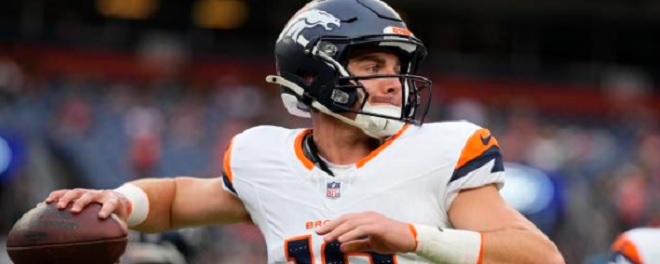
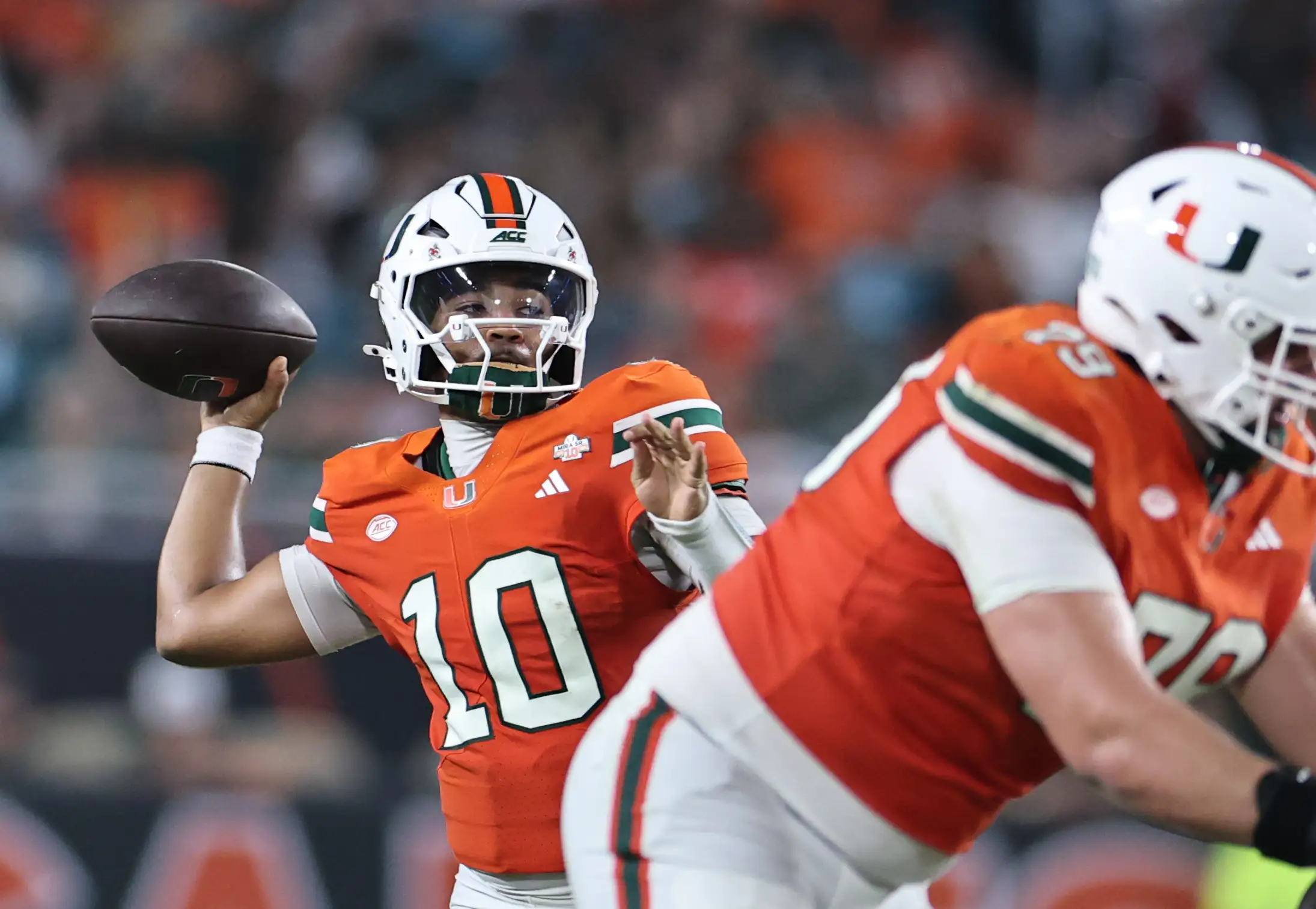
Fandom isn't only about the sport; it's about the people playing it. Quarterbacks with genuine star power, wide receivers pulling off ridiculous one-handed catches, coaches yelling into headsets — these are characters, whether or not fans understand every rule. Social media turned individual players into global personalities almost independent of the league itself.
Keeping up with the news in everyday life isn't easy. To be the first to hear about training camp updates, injury reports, and even off-season events, you need VPN by VeePN—thanks to its thousands of servers. It lets you easily switch between sites in Europe, Asia, the Americas, and beyond.
The League Comes to You: International Games
Rather than waiting for the world to come around on its own, the NFL started bringing actual games abroad. The International Series is the clearest example:
London hosted its first regular-season game back in 2007, and it's been a fixture nearly every year since
Germany joined the rotation in 2022, with Munich's debut game reportedly drawing ticket demand from around 400,000 hopeful buyers for roughly 75,000 seats
Games have also been played in Mexico City, and Brazil hosted its first-ever NFL regular-season game in São Paulo in 2024
Each of these events turns into something bigger than football for a weekend — parades, fan festivals, pop-up shops. The league treats it less like an away game and more like a traveling festival that happens to include football.
The Numbers Tell the Story
The NFL has claimed something in the range of 200 million fans living outside the United States, a figure that would have sounded absurd two decades ago. Whether or not that number is exact, the direction is obvious: growth, not decline. The Super Bowl alone now reaches viewers in well over 180 countries, which puts it in the same conversation as events most people would call truly global.
One longtime London-based supporter summed it up simply:
"I used to explain the rules to everyone I watched with. Now half my group knows more than I do."
That shift — from curiosity to genuine fluency — is happening in bars and living rooms across dozens of countries, not just in the US.
What's Next for NFL Fans Worldwide
NFL fans worldwide aren't a niche audience anymore; they're a core part of the league's growth strategy, and every signal points to that trend continuing. More international games are scheduled, streaming access keeps expanding, and youth flag-football programs are popping up in countries that had barely heard of the sport a generation ago.
Whether that global momentum eventually rivals football's — the other kind, the one played with your feet — is still an open question. But for now, the NFL has done something few American sports leagues managed before it: it made itself genuinely interesting to people who never grew up with it. That's not a small achievement, and honestly, it doesn't look like it's slowing down anytime soon.
 Charlie Campbell