
 Walt
American football supposedly has an offseason, but hardcore fans know that is a lie. From free agency to the draft to fantasy prep, there is always something happening if a person knows where to look. This is a quick guide to how serious fans stay locked in, keep learning, and actually get smarter between the final whistle in February and kickoff in September.
Staying Sane After The Super Bowl
Once the confetti falls, smart fans immediately flip from game mode to team-building mode. That means tracking cap space, projected cuts, franchise tags, and which front offices actually have a plan instead of just throwing money at aging names. Following how a roster is constructed teaches more about American football than listening to another three-hour debate show about “legacy.”
Watching how good teams manipulate contracts, stagger extensions, and target specific archetypes is basically a master class in long-term thinking. Fans who pay attention here can spot breakout teams months before the mainstream, because they see the foundation being poured instead of reacting only to box scores.
Building A Smarter Football Brain
The next step is combining film and numbers like an actual scout. Rewatching a handful of games is useful, but the real edge comes from focusing on specific questions. How did a favorite team handle bunch formations on third down? Which young corners consistently won at the catch point? Did that “elite” pass rusher actually win one on one, or feast on stunts and free runs?
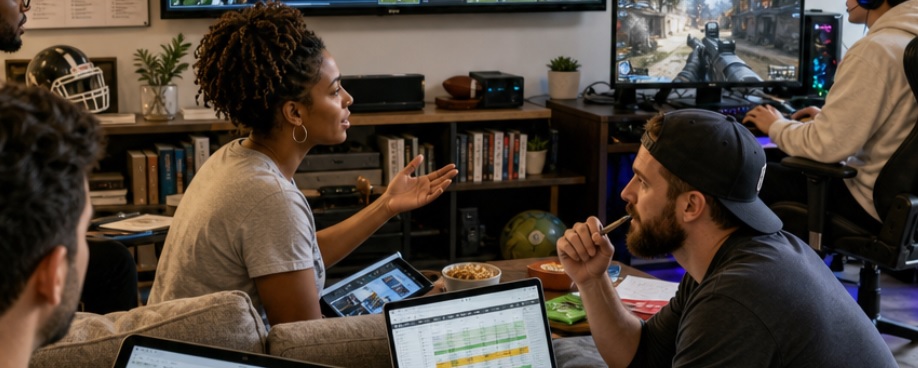
On the numbers side, hardcore fans build simple spreadsheets with red-zone efficiency, pressure rates, early-down pass frequency, and explosive plays allowed. None of this needs to be complicated. When fans track the same metrics for months, they start to see patterns that make power rankings and preseason predictions much more grounded than the usual “vibes only” takes.
Beyond Football During Quiet Months
Even the most obsessed American football fan needs a change of pace. Many drift into other competitive scenes between free agency waves and draft rumors. Some follow basketball, others watch Counter-Strike and similar games, and a portion of readers spend time on places like CS2 casino for shooter-themed contests and entertainment. It is just another way to scratch the competitive itch while waiting for training camp clips to flood every feed again.
The funny thing is that hopping between different competitions actually helps with football evaluation. Fans pick up new ideas about matchups, momentum, and roster building. By the time preseason games start, they come back with fresh eyes, better habits for tracking information, and usually a longer list of late-round fantasy lottery tickets.
In the end, American football never really stops for those who enjoy the process as much as the scoreboard. Offseason months become a laboratory for testing theories, learning the salary cap, and sharpening instincts. The fans who embrace that tend to be the ones calmly nodding in September when everyone else is shocked by something they saw coming in March.

 Charlie Campbell
